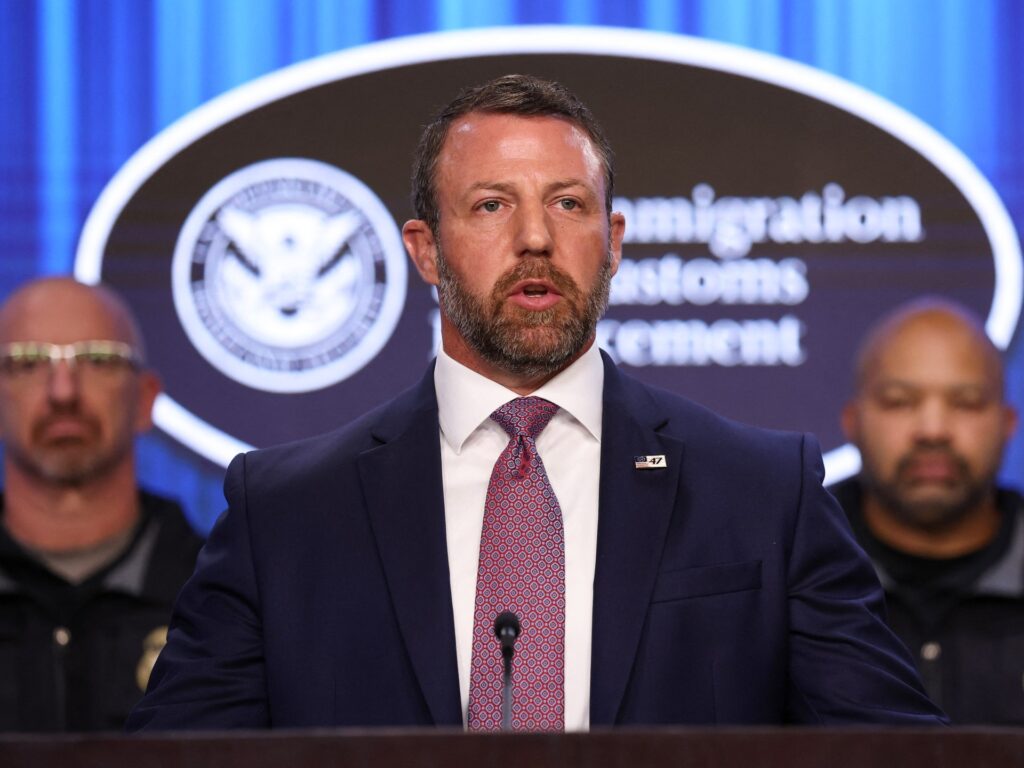
In a recent and highly controversial incident in New York City, Immigration and Customs Enforcement (ICE) officers were involved in a shooting that has sparked widespread protests and public condemnation. The Department of Homeland Security (DHS) has stood by the officers, asserting that they believed they were in danger at the moment of the shooting.
According to DHS, the officers acted in self-defense during what they perceived to be a threatening situation. While details surrounding the incident remain under investigation, the department’s statement emphasizes the officers’ training and the protocol followed during the encounter. DHS also stressed its commitment to law enforcement accountability and transparency.
The shooting incident took place in a busy area of New York City, significantly stirring public reaction. Protesters gathered in large numbers demanding justice and calling for a review of law enforcement practices, especially those involving ICE officers. Demonstrations have continued in various parts of the city, reflecting anger and frustration over the use of force.
New York City Mayor Zohran Mamdani strongly condemned the shooting. In an official statement, the mayor called for a thorough investigation into the officers’ actions and urged that those responsible be held accountable. Mamdani reiterated the city’s dedication to protecting its residents’ rights and ensuring that law enforcement agencies operate within legal and ethical boundaries.
Civil rights groups and activists have also voiced concern over the incident, highlighting issues of police brutality and the broader implications for immigrant communities. Many have called for reforms in policing and immigration enforcement policies to prevent such episodes in the future.
The shooting underscores the ongoing tension and challenges faced by cities like New York, where immigration enforcement intersects with community relations and public safety. It raises important questions about the use of force by federal agents operating in local jurisdictions and how such incidents are managed.
As investigations continue, stakeholders from government officials to local advocates are watching closely. The incident has sparked broader discussions about the balance between security and civil liberties, the role of ICE in urban settings, and the need for systemic change to enhance community trust.
Authorities have promised to keep the public informed as the investigative process unfolds. In the meantime, New York City remains a focal point for debates on law enforcement accountability and immigrant rights, fueled by this latest tragic confrontation.
This event not only sheds light on the complexities of enforcement within a diverse metropolis but also marks a significant moment in the ongoing dialogue about policing, immigration, and justice in the United States.