France has recently witnessed an upsurge in protests led by students and teachers, fighting against the deteriorating conditions in educational institutions. These protests have painted a vivid picture of the everyday challenges faced by those within the French education system, highlighting a pressing shortage of resources and support.
Students and educators across France have united to voice their concerns about overcrowded classrooms, insufficient teaching materials, and underfunded schools. Many protesters emphasize that these shortages are not merely inconveniences but critical barriers to quality education.
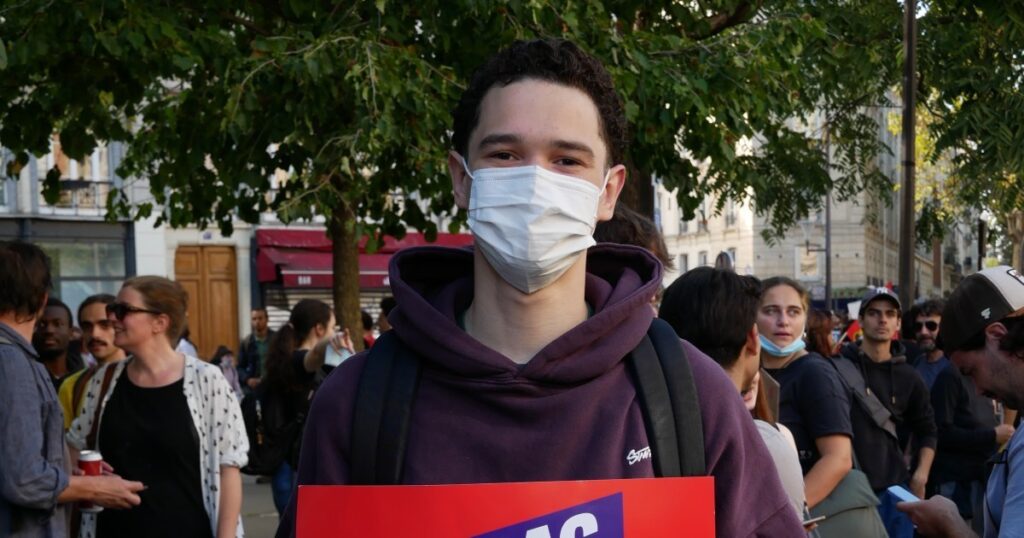
One student from Paris articulated a growing frustration: “We are tired of being ignored. The classrooms are packed, there aren’t enough books, and sometimes we can’t even get access to the basics needed to learn.”
Teachers have echoed these concerns, speaking about the impact of resource scarcity on their ability to effectively teach and engage with their students. “We want to provide the best education possible, but with too few computers, outdated textbooks, and no additional support for students who struggle, it’s a constant uphill battle,” shared a high school teacher.
The protesters have called for increased government investment to address the inequalities and inadequacies in the school system. They urge policymakers to consider long-term strategies that prioritize educational reforms and infrastructure upgrades.
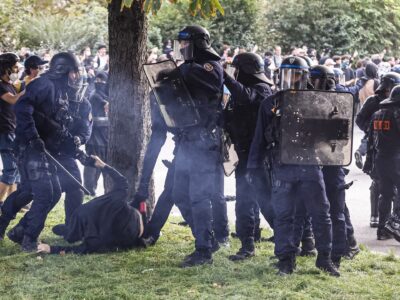
Public demonstrations across cities have drawn large crowds, with students and teachers marching together holding banners and chanting slogans that demand action and accountability.
The movement has gained significant media attention, putting pressure on local and national authorities to respond. Officials have yet to provide a concrete plan to alleviate the shortages and improve conditions, which protesters interpret as dismissive of their concerns.
Parents and community members have also joined the cause, highlighting how education quality directly impacts the future prospects of young people and by extension, the country’s social fabric.
Behind the protests lies a deep-seated desire for dignity and respect in the education sector, with calls for fair wages for teachers and adequate funding that respects the needs of modern learners.
This wave of activism in France sheds light on the universal struggles faced by educational systems worldwide, especially in times when economic pressures often lead to budget cuts and austerity measures.
As the dialogue continues, the voices of French students and educators serve as a compelling reminder that education is a fundamental right that requires sustained investment and attention to thrive.
The ongoing protests now serve not only as a plea for more resources but as a broader demand for reforms that ensure equitable access to quality education for all.