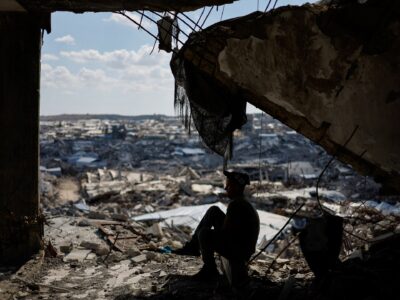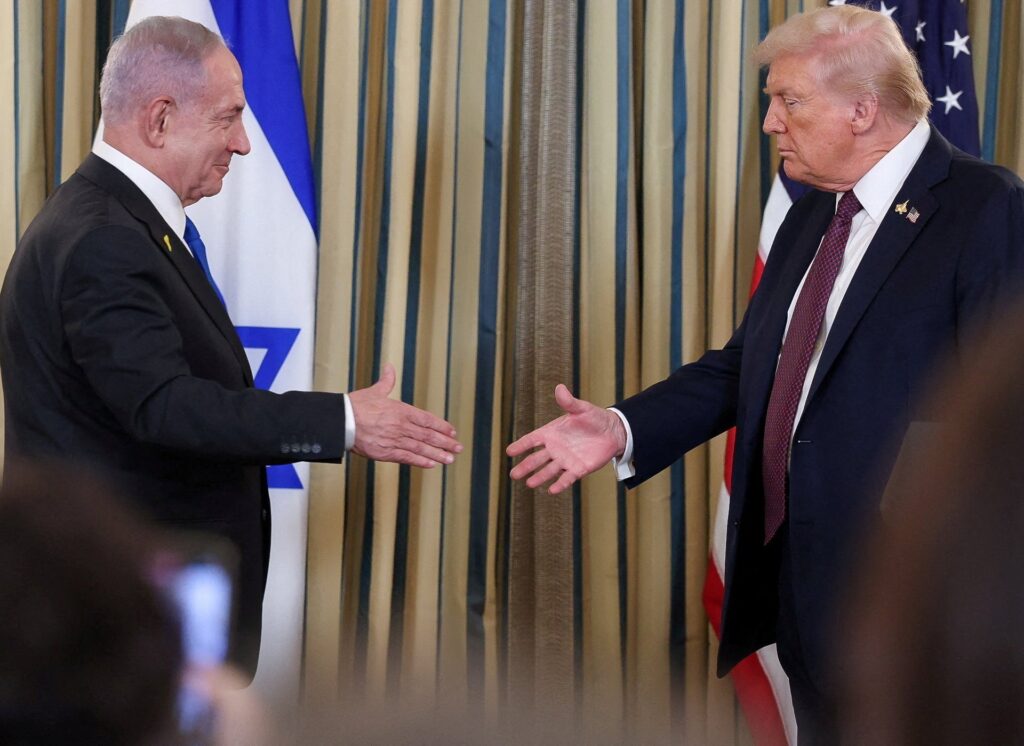
As the ongoing conflict in Gaza enters its third year, US military aid and arms transfers to Israel continue unabated despite growing international attention and evolving public opinions in the United States. The steady flow of military support highlights the complex and enduring strategic partnership between the US and Israel, even as the humanitarian impact of the conflict draws significant scrutiny.
Since the onset of the Gaza conflict, the US has maintained a robust policy of providing Israel with extensive military aid, including financial assistance and advanced weaponry. This support is framed as critical to Israel’s security in a volatile region, aligning with broader US strategic interests in the Middle East.
However, as the conflict has prolonged, resulting in a high number of civilian casualties and widespread destruction in Gaza, public sentiment in the US has shown signs of shifting. Polls indicate a growing portion of Americans are concerned about the humanitarian crisis and are calling for renewed efforts toward a peaceful resolution. Despite these changes in public opinion, US lawmakers across various political spectrums have largely upheld the continuity of military aid.
Critics argue that the unchanging military support contributes to the enduring cycle of violence and hinders peace negotiations. Human rights organizations and some political leaders urge the US administration to reconsider its aid policies, emphasizing diplomacy and humanitarian aid as alternative means to foster long-term stability.
Supporters of continued aid emphasize the importance of maintaining Israel’s military edge against threats from regional actors and terrorist groups. They contend that US assistance not only strengthens an essential ally but also deters adversaries from escalating conflict.
The debate over US military aid to Israel underscores the tension between strategic interests and humanitarian concerns. It reflects the challenges in balancing support for a long-standing ally with the ethical implications of the conflict’s impact on civilian populations.
As the situation in Gaza remains fragile, the future of US military aid is likely to continue being a contentious and pivotal issue in American foreign policy, reflecting broader debates over the US role in international conflicts and peacebuilding efforts.