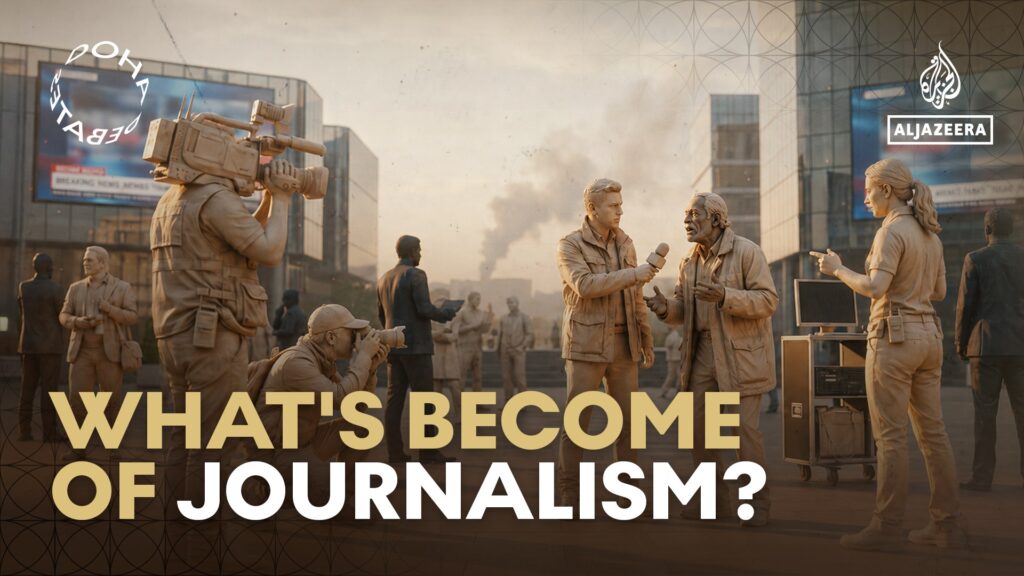
In the digital age, the question “Should we trust the news?” has become increasingly urgent. With the proliferation of media outlets, social platforms, and varied information sources, the clarity and reliability of news reporting are under intense scrutiny. The Doha Debates recently tackled this very issue, exploring whether today’s news media truly serves the truth or if it aligns more with other interests.
News is a powerful force that shapes public opinion, influences political decisions, and frames societal discourse. Traditionally, journalism has been founded on principles of truth-seeking, objectivity, and serving the public interest. However, these ideals have been challenged by the rise of sensationalism, misinformation, and the concurrent blur of news and entertainment.
One of the core dilemmas discussed is the impact of financial pressures on news organizations. With advertising revenue declining and competition intensifying, many outlets may prioritize clicks and views over accuracy. This economic reality can incentivize sensational headlines and sometimes compromise thorough fact-checking, tilting the news toward stories that attract attention rather than those that strictly inform.
Furthermore, social media platforms have revolutionized news dissemination but also introduced new complexities. Information can spread rapidly and widely, but verification standards are often lax, allowing rumors and falsehoods to gain credibility before correction mechanisms intervene. Algorithms prioritize engagement, not truth, which can create echo chambers and deepen polarization.
Additionally, political and ideological biases continue to influence news reporting across the globe. Many media entities are perceived to have partisan leanings, which can color their portrayal of events, subtly or overtly shaping narratives to fit certain agendas. This undermines trust and contributes to a fragmented media landscape where audiences may only trust outlets that reflect their own views.
The Doha Debates panel highlighted the need for media literacy among the public as a critical layer of defense against disinformation. Encouraging critical consumption of news, educating about source verification, and fostering an understanding of media biases can empower audiences to discern credible information from noise.
Experts also pointed to the role of regulatory frameworks and professional journalistic standards in upholding truthfulness. Transparent editorial policies, accountability mechanisms, and ethical guidelines are vital to rebuild trust in news institutions.
Despite the challenges, it is important to recognize the continued efforts of many journalists and news organizations who strive to deliver accurate and meaningful reporting. Investigative journalism, fact-checking initiatives, and technological tools are strengthening the fight against fake news.
In conclusion, while today’s news landscape presents obstacles to absolute trust, it is not inherently designed to deceive. It is a complex ecosystem shaped by economic, technological, and social forces. Building trust requires collective effort from media producers, regulators, and consumers alike to champion truth and uphold the press’s vital role in democratic societies.