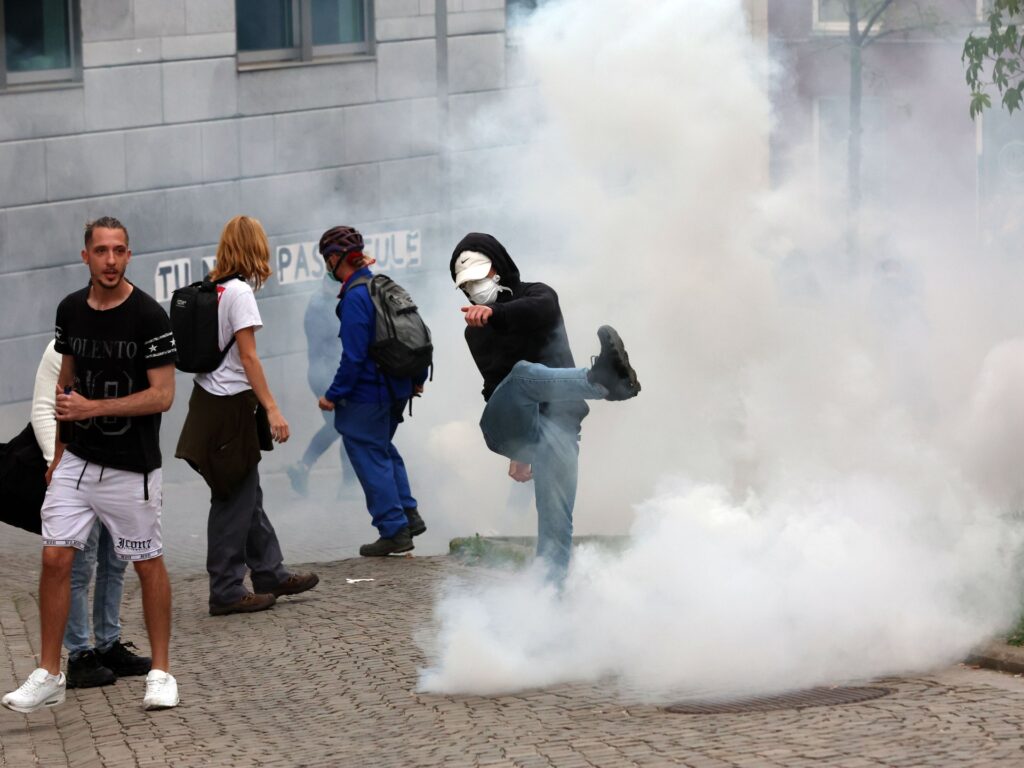
In recent developments in Belgium, more than 100 students have been arrested during protests demanding reforms in education costs, particularly within the French-speaking regions of the country. These student demonstrations have drawn significant attention to the rising financial burdens faced by learners seeking education, highlighting a broader call for systemic change.
The protests erupted as students voiced frustrations over the escalating expenses related to tuition fees, study materials, and other associated costs that increasingly limit access to quality education. Demonstrators have called on authorities to implement comprehensive reforms that would alleviate financial pressures and ensure equitable educational opportunities.
French-speaking areas, notably in Wallonia and Brussels, have been the epicenters of these protests. The regional focus underscores localized issues in education policy and funding that differ from those in Dutch-speaking Flanders, thereby emphasizing disparities within Belgium’s federal education system.
Authorities responded to the protests with a heavy police presence, resulting in over a hundred arrests. Law enforcement cited concerns over public order and the safety of citizens in their actions. However, the arrests have sparked debate and criticism regarding the handling of peaceful protest rights and the government’s commitment to addressing students’ demands.
Education experts and advocacy groups have weighed in, supporting the students’ calls for reform. They emphasize that escalating costs threaten to marginalize lower-income families and widen educational inequality. Such perspectives stress the urgent need for measures to reduce barriers and promote inclusive access.
In addition to financial issues, students have also highlighted concerns about the quality and relevance of educational programs, demanding curriculums that better prepare them for the evolving job market and societal challenges.
The protests reflect a growing trend among youth across Europe who are increasingly mobilizing to demand not only affordable education but also systemic reforms that align with modern needs. Similar demonstrations have occurred in several countries, underscoring education as a pivotal issue in broader social and economic debates.
The Belgian government has acknowledged the protests and stated its willingness to engage in dialogue with student representatives. Officials have indicated plans to assess current policies and explore reforms that could balance fiscal constraints with the demand for accessible, high-quality education.
As the situation evolves, stakeholders continue to advocate for effective solutions that respect students’ rights while ensuring sustainable education financing. The events in Belgium serve as a powerful reminder of the ongoing challenges faced by young people worldwide in their pursuit of knowledge and opportunity.
In conclusion, the student protests in Belgium over education costs have brought to light critical issues in accessibility, affordability, and policy reform. The arrests have intensified calls for government action and sparked a nationwide discussion on how best to support the future generations through meaningful educational reforms.