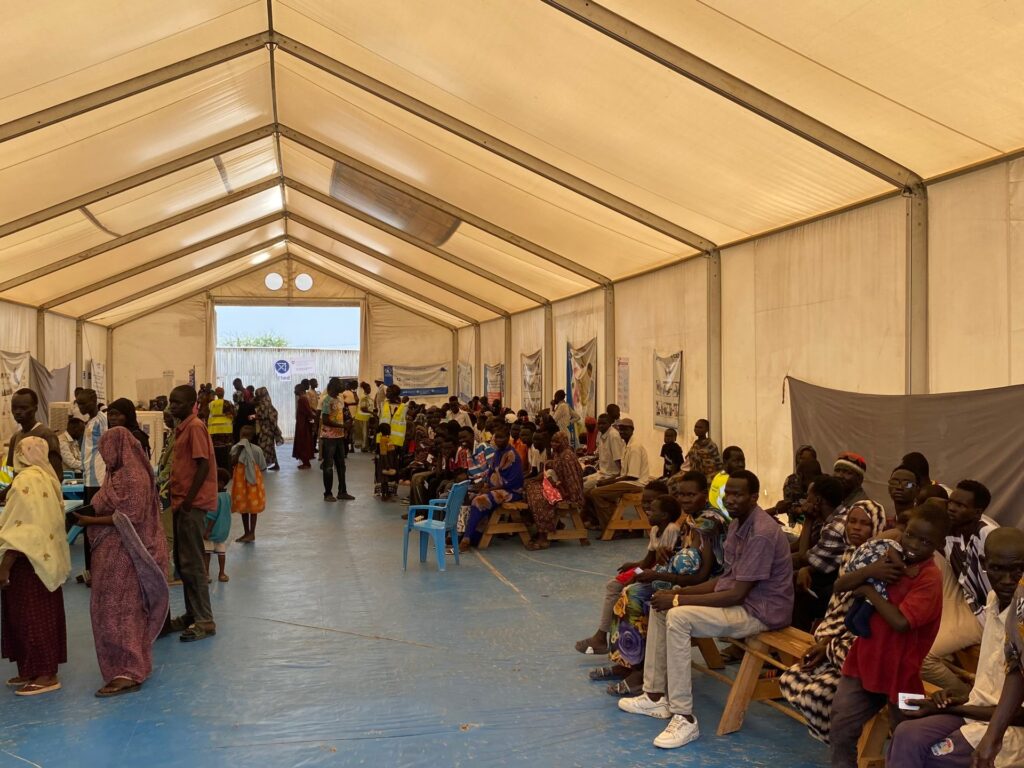
South Sudan, a nation already grappling with numerous challenges, faces a worsening humanitarian crisis as food aid stocks dwindle amid shrinking funding and increasing displacement from neighboring Sudan. Aid agencies warn that more than one million vulnerable people in South Sudan could lose access to essential, life-saving assistance by October if the current trends persist.
The crisis stems from several converging factors. First, financial support for relief operations has significantly decreased, straining humanitarian organizations’ ability to maintain their food distribution programs across the country. Donor fatigue, competing global emergencies, and political instability have contributed to the reduced aid flows.
Second, the situation in Sudan has further exacerbated South Sudan’s troubles. The ongoing conflict in Sudan has displaced thousands of people who are seeking refuge across the border. This influx of arrivals has placed additional pressure on the already limited resources and infrastructure available to assist displaced populations.
Humanitarian groups report that food stocks in key supply hubs are nearing critical lows. With over one million people at risk of losing aid, many could face worsening hunger and malnutrition, threatening their survival and the stability of the region.
Local authorities and international agencies are calling for urgent funding injections to prevent a total collapse of aid services. They emphasize that without sustained financial support and coordinated relief efforts, the deteriorating food security situation could lead to widespread famine-like conditions.
Aid workers highlight several affected regions where shortages are most acute, including parts of Jonglei, Upper Nile, and Unity states. These areas, plagued by conflict and floods, have traditionally depended on humanitarian food assistance.
The United Nations and partner organizations have renewed appeals for donor countries, private sector supporters, and international bodies to step up their commitments. They stress that early action is critical to prevent the humanitarian emergency from escalating further and undoing years of progress.
Community leaders also underscore the need for durable solutions such as peacebuilding initiatives, improved agricultural support, and infrastructure development to reduce reliance on aid and build resilience.
As funding gaps persist and arrivals from Sudan increase, the humanitarian outlook for South Sudan remains bleak. Without immediate and substantial intervention, vulnerable populations are likely to face severe hardships in the coming months, underscoring the urgent need for the global community to respond swiftly and decisively to this deepening crisis.