Kenya has confirmed its first-ever case of Ebola after a man died in Nairobi shortly after returning from the Democratic Republic of the Congo (DRC). This development comes amid the ongoing severe outbreak of Ebola in the DRC, which has claimed over 4,000 lives and recorded more than 8,300 confirmed cases, marking it as the deadliest outbreak in the country’s history.
The deceased individual had recently traveled back from the DRC, a nation grappling with the Ebola epidemic since 2018. The virus, which spreads through direct contact with bodily fluids of infected persons or contaminated surfaces, poses a serious public health risk, especially in regions with significant cross-border movement.
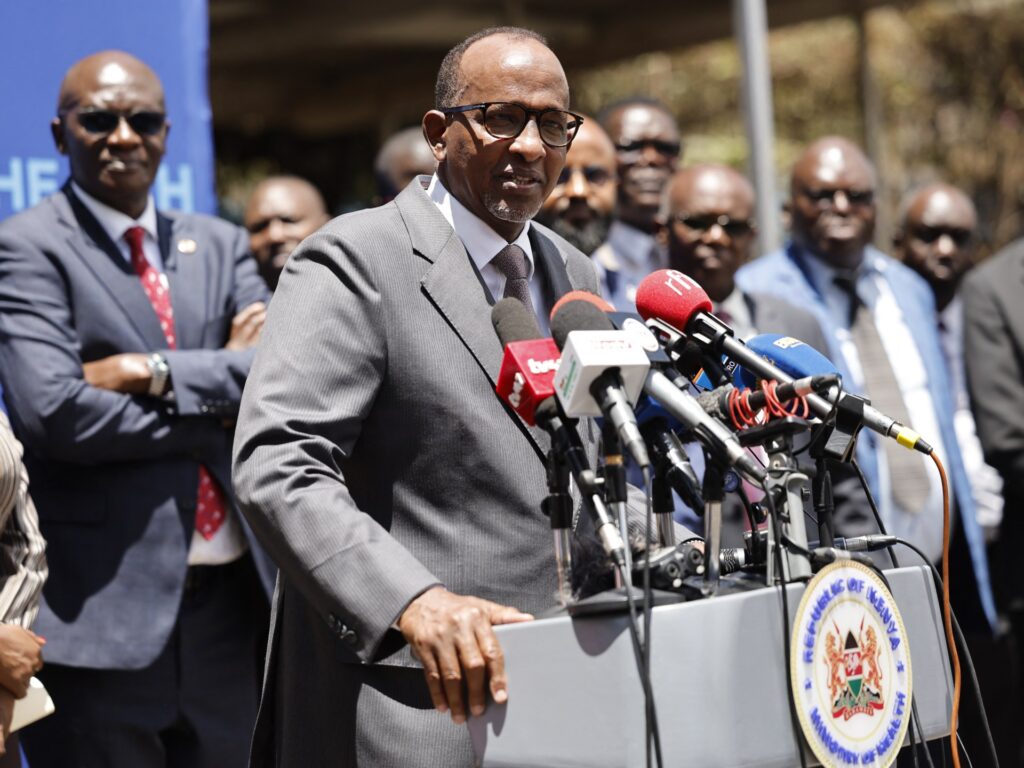
Kenya’s Ministry of Health, upon confirming the case, has initiated emergency measures including contact tracing, isolation of suspected cases, and heightened surveillance at border points to curb further transmission. Health officials are working closely with international organizations such as the World Health Organization to manage the outbreak and prevent it from escalating within Kenya.
This first recorded Ebola case in Kenya underscores the challenges faced by East African countries in controlling the spread of infectious diseases amid regional mobility and porous borders. The Kenyan government is also conducting public awareness campaigns to educate citizens about the symptoms of Ebola, preventative measures, and the importance of seeking immediate medical attention if symptoms develop.
The ongoing Ebola outbreak in the DRC has had a profound impact on the region’s healthcare systems and economies. With thousands of deaths and infections, the crisis has stretched medical resources, affected trade, and heightened fears of wider epidemics.
Experts warn that without rapid and coordinated response efforts, Ebola could spread to neighboring countries, including Kenya, Uganda, Rwanda, and South Sudan. Cross-border surveillance, vaccination programs, and community engagement are critical components of disease control strategies.
Kenya’s confirmation of Ebola marks a pivotal moment in the regional fight against the virus. It serves as a wake-up call for enhanced preparedness and cooperation among East African nations to prevent a larger public health crisis.
While the government has reassured the public that measures are in place to manage the situation, the international community is urged to provide continued support in terms of funding, technical expertise, and medical supplies to mitigate the impact of Ebola.
As Kenya confronts this new health challenge, it will need robust healthcare infrastructure, effective communication strategies, and resilient public health policies to protect its population from Ebola and other emerging infectious diseases. The tragic death in Nairobi is a stark reminder of the virus’s lethality and the urgent need for vigilance.
In summary, the first confirmed Ebola case in Kenya following a man’s death after returning from the DRC highlights the ongoing threat posed by infectious diseases in the region. With strategic interventions and regional solidarity, there is hope to contain the virus and prevent further loss of lives.