Morocco recently held elections that highlighted a complex political landscape marked by fragmentation among parties, voter disengagement, and an unexpected resurgence of the Justice and Development Party (PJD). The elections took place under the reign of King Mohammed VI, occurring yet again with low voter turnout, registering as the second-lowest since his ascension.
The political scene in Morocco remains deeply fragmented, with numerous parties vying for influence and the electorate’s confidence. This fragmentation has led to a dispersed distribution of parliamentary seats, creating challenges for forming stable coalitions or governments. The multiplicity of parties indicates a vibrant but divided political culture, where no single party dominates overwhelmingly.
Voter turnout, a crucial indicator of public trust and engagement in the democratic process, has been concerningly low, reflecting widespread disengagement among Moroccans. Many factors contribute to this trend, including disillusionment with political promises, skepticism about the efficacy of governmental reforms, and possibly the disenchantment with the political elite. With this election marking the second-lowest participation rate under King Mohammed VI, the need for re-engaging citizens in political life is more urgent than ever.
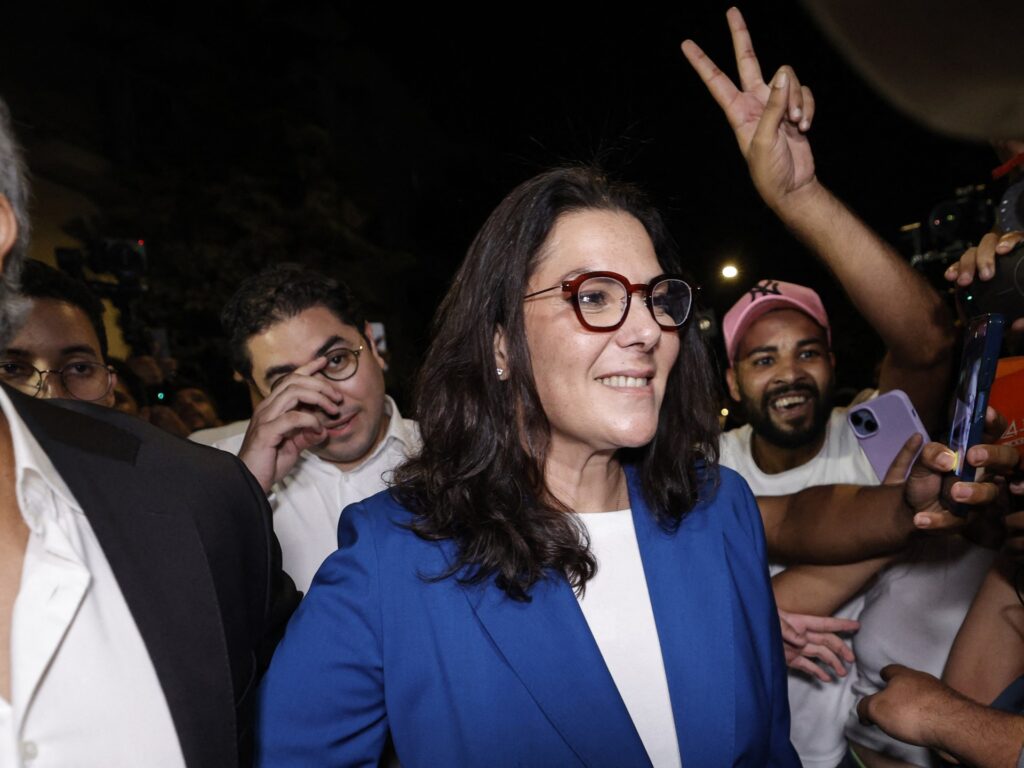
Amid this backdrop of fragmentation and apathy, the Justice and Development Party (PJD), a moderate Islamist party, achieved a significant comeback by quadrupling its seats in parliament. This resurgence contrasts sharply with previous elections where the party saw a decline or stagnation. The PJD’s gains suggest a renewed support base and an ability to mobilize voters effectively despite the general trend of disengagement.
The Party of Authenticity and Modernity (PAM), traditionally one of the dominant parties in Moroccan politics, led the elections, maintaining its influential position. PAM’s steady performance reflects its robust organizational structure and continued appeal among various societal groups.
Analysts interpret the election outcomes as a signal that Moroccan voters are cautious but still interested in political change, seeking alternatives that promise stability and development. The return of the PJD may signal a shift toward more policy-driven and religiously informed political discourse, albeit within Morocco’s unique constitutional monarchy framework.
Looking forward, political players in Morocco face the challenge of navigating a fragmented parliament while addressing voter disillusionment to enhance democratic participation. The monarchy remains a central figure, balancing political forces and ensuring national stability amid these electoral shifts.
In conclusion, Morocco’s latest elections underscore the complexities of its political system—marked by fragmentation, disengagement, yet punctuated by the remarkable revival of the PJD. For Morocco, the path ahead will require concerted efforts to build consensus, reinvigorate democratic engagement, and harness the vibrant, albeit divided, political energies in the country.