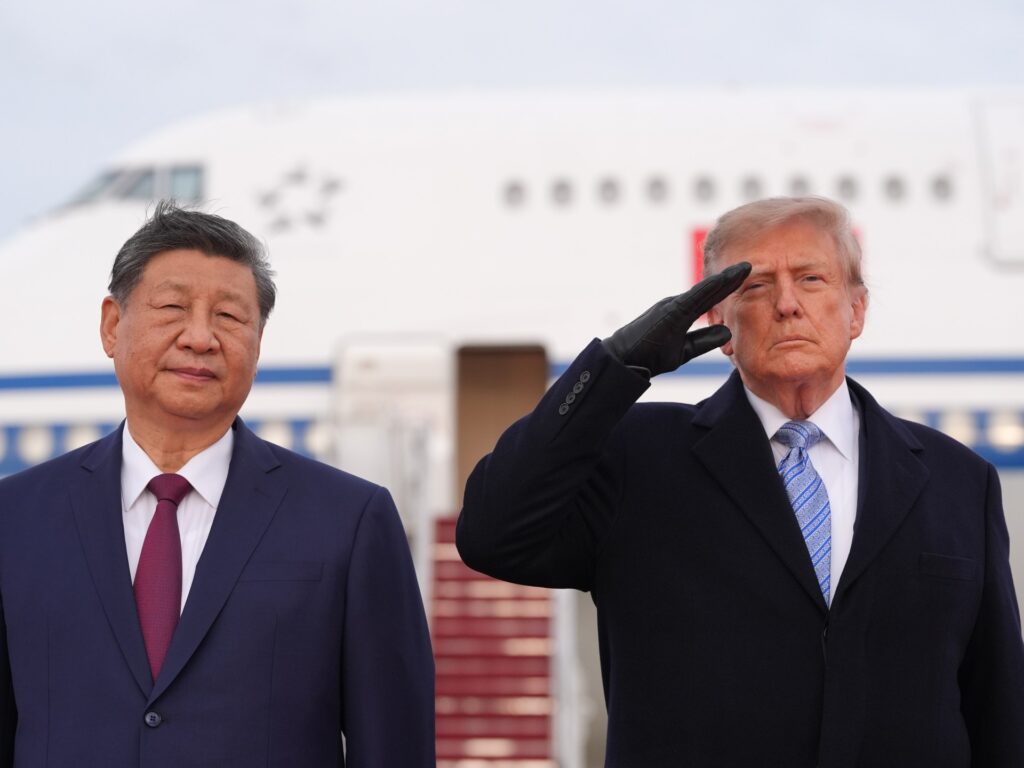
In a significant diplomatic gesture highlighting the importance of the US-China relationship, President Donald Trump personally welcomed Chinese President Xi Jinping to Washington. This rare move of meeting a foreign leader at the airport underscores the gravity of the ongoing discussions between the two global powers.
The visit coincided with an agreement to extend a crucial trade truce between the United States and China. Both countries have been engaged in tense trade negotiations and tariff disputes, which have had broad implications for the global economy. Extending the trade truce represents a mutual commitment to de-escalate tensions and continue working towards a comprehensive trade agreement.
During the meeting at the White House, President Trump and President Xi expressed optimism about the path forward for bilateral trade relations. The talks focused on addressing contentious issues such as intellectual property protections, market access, and tariffs that impact goods ranging from technology to agricultural products.
The trade truce extension aims to provide a stable environment for businesses and investors while further negotiations proceed. It also signals a willingness on both sides to avoid escalating tariffs that have previously disrupted global supply chains and increased costs for consumers.
Analysts note that the personal attention from President Trump in welcoming President Xi signifies the strategic importance the White House places on maintaining a constructive relationship with Beijing. The trade dynamic between the US and China is one of the most critical components shaping international economic policies in the 21st century.
Beyond trade, the leaders discussed broader topics including regional security, climate change cooperation, and efforts to address North Korea’s nuclear program. These discussions indicate that the US-China relationship extends beyond commerce to encompass global stability and governance.
The airport greeting itself was a highly symbolic act, noteworthy because US presidents rarely meet foreign dignitaries at the arrival point. This move highlighted President Trump’s intent to project eagerness and goodwill.
Following the meetings, both administrations pledged to continue diplomatic engagement and periodic reviews to monitor progress in trade negotiations. This ongoing dialogue aims to balance competitive interests with cooperative opportunities in technology, manufacturing, and agriculture.
The extension of the trade truce provides a welcome pause in a months-long series of tariff hikes and countermeasures that had raised concerns among international markets and policymakers worldwide. It reflects a shared recognition that stability benefits both economies and global trade dynamics.
Experts anticipate that the coming weeks will see intensified efforts to resolve remaining differences ahead of a potential final trade deal. However, the groundwork laid by this visit creates a positive framework for dialogue and mutual confidence.
In summary, President Trump’s rare act of welcoming President Xi at the airport and the agreement to extend the US-China trade truce mark a pivotal moment in modern diplomatic relations. It reflects a shared understanding that cooperation between the two largest economies is essential for global prosperity and peace.