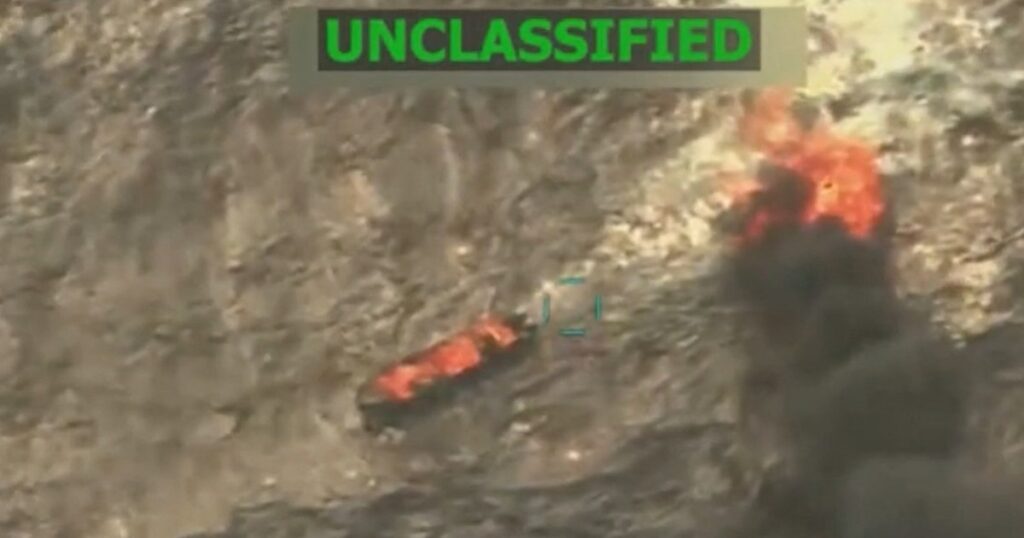
The United Nations has raised alarms over recent US military strikes on boats, labeling these actions as potential ‘crimes against humanity.’ This strong accusation highlights growing international concern regarding the methods employed by the United States in its ongoing campaign to stop the flow of lethal drugs into its territory.
Washington defends the boat strikes as a necessary measure to intercept and halt drug trafficking, which it regards as a critical threat to public health and safety. The US government argues that these operations are targeted and essential to reducing the influx of narcotics that feed violence and addiction across American communities.
However, the UN’s position presents a stark contrast, emphasizing the potential humanitarian consequences of such tactics. According to the United Nations, the strikes may constitute serious violations of international law, particularly if they result in disproportionate harm to civilians or excessive use of force. The classification as ‘crimes against humanity’ stems from the potential for widespread or systematic attacks directed at civilian vessels, which breaches established norms of conduct during enforcement operations.
Critics of the US strategy question its efficacy and morality, citing reports of loss of innocent lives and damaged livelihoods among coastal populations. Human rights organizations have urged Washington to review its approach and adopt measures that respect human rights and international legal standards.
The UN’s statement is part of a broader call for increased oversight and accountability in counter-narcotics efforts worldwide. It underscores the tension between national security objectives and the imperative to uphold human dignity and international humanitarian principles.
This debate comes amid escalating drug-related violence and humanitarian crises linked to drug trafficking routes. The international community faces the challenge of balancing effective law enforcement with safeguards against abuse and collateral damage.
While the US maintains that its boat strikes are within legal bounds and essential to national security, the UN’s concerns suggest the need for a careful reassessment of tactics that could endanger human lives and violate international commitments.
The unfolding situation demands a multilateral dialogue involving the US, affected countries, international organizations, and civil society to develop strategies that are both effective in combating drug trafficking and compliant with human rights standards.
In summary, the United Nations’ characterization of the US boat strikes as potential crimes against humanity marks a pivotal moment in the global conversation about drug enforcement policies. It raises urgent questions about the balance between security efforts and respect for international law, highlighting the complex dynamics at play in addressing the global drug crisis.