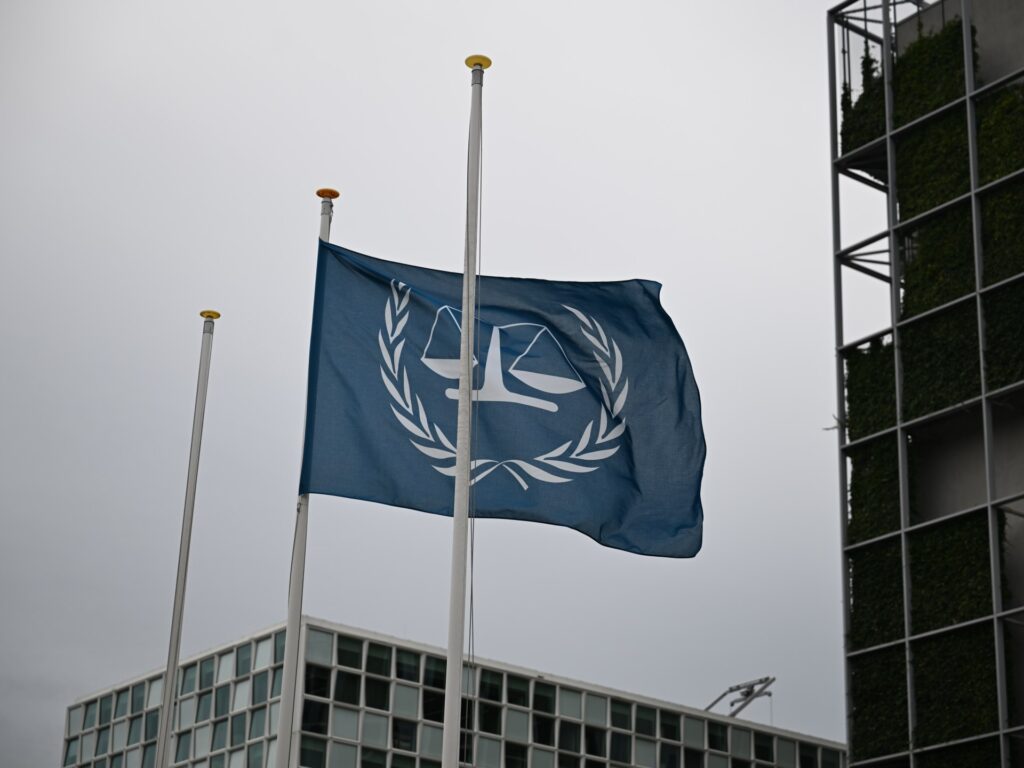
The Trump administration is reportedly preparing to impose extensive sanctions on the International Criminal Court (ICC), signaling a significant escalation in tensions between the United States and the international judicial body. These measures are anticipated to target the ICC itself, potentially disrupting essential operations such as payments, information technology services, and ongoing investigations.
The planned sanctions mark a substantial shift in U.S. policy towards the ICC, which has faced criticism from the Trump administration over its jurisdiction and investigations involving American nationals and allies. The ICC, headquartered in The Hague, Netherlands, is responsible for prosecuting individuals for crimes such as genocide, war crimes, and crimes against humanity.
Sources familiar with the administration’s plans indicate that the sanctions could include freezing ICC assets, restricting financial transactions, and limiting the court’s access to American technology and services. Such actions could hinder the ICC’s ability to function smoothly and carry out its mandate effectively.
This move is seen by U.S. officials as a protective measure to prevent the ICC from exercising what they view as overreach, particularly investigations into alleged actions by U.S. military personnel in conflict zones. The administration has expressed concerns that ICC probes might undermine American sovereignty and complicate international relations.
The proposed sanctions are expected to face criticism from human rights organizations and international legal advocates, who argue that the ICC plays a crucial role in holding perpetrators of serious crimes accountable and upholding global justice.
Legal experts note that imposing sanctions on an international judicial body is unprecedented and may provoke a diplomatic backlash, potentially straining U.S. relations with allies who support the ICC.
The ICC has previously drawn ire from the U.S. government, but such a comprehensive set of sanctions targeting the court’s operational capabilities represents a new level of hostility.
The administration’s actions come amid a broader context of skepticism and criticism of multilateral institutions and international agreements, consistent with its America-first policy stance.
Details of the sanctions’ scope, timeline, and specific targets within the ICC’s infrastructure remain under close watch by global observers and policymakers.
Many international observers view the U.S. move as an attempt to shield its personnel and interests from external legal scrutiny, raising concerns about accountability and the rule of law on the world stage.
In response, ICC officials have reiterated their commitment to impartial and independent investigations, emphasizing the court’s role in delivering justice for victims worldwide.
This development represents a pivotal moment in international law and U.S. foreign policy, highlighting the complex interplay between sovereignty, accountability, and international cooperation.
As the situation unfolds, the implications of these sanctions could reverberate across global diplomatic, legal, and human rights communities, shaping the future of international criminal justice.
The Trump administration’s sweeping sanctions against the ICC underscore a broader trend of challenging international institutions perceived as threats to national interests, setting the stage for ongoing debates about the role and reach of global governance mechanisms.