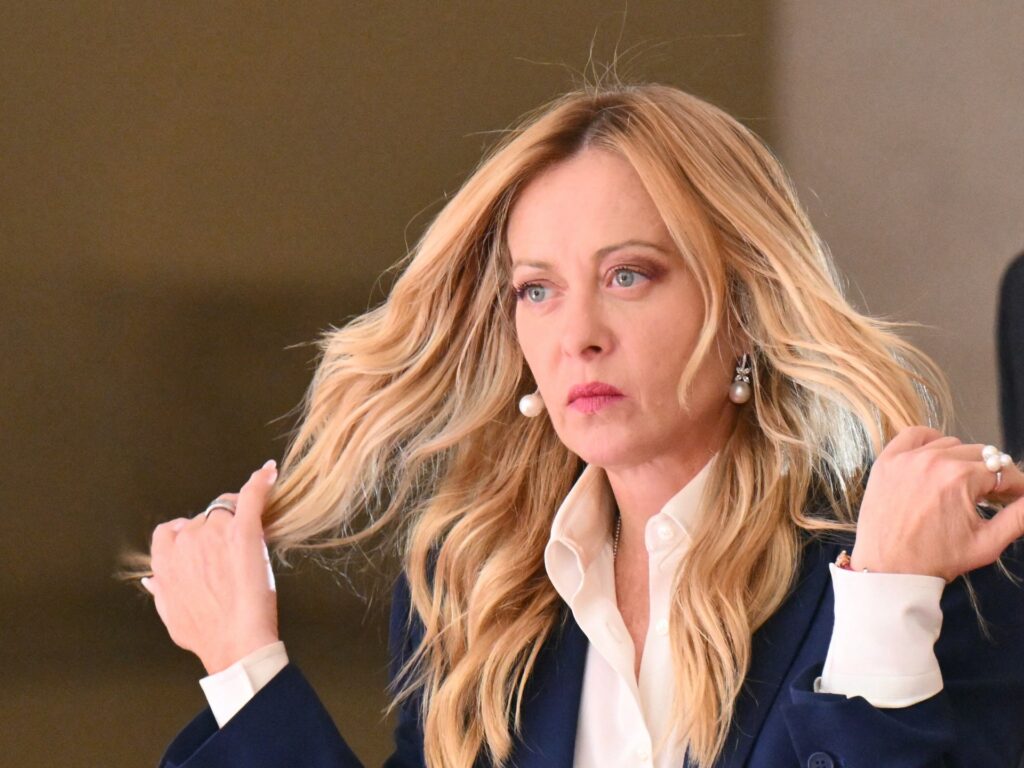
Prime Minister Giorgia Meloni, heading Italy’s longest-serving government since World War II, has stirred significant political debate by pledging to ban burqas and niqabs in Italian schools. This announcement comes as her administration faces an increasing threat from far-right rival parties ahead of upcoming elections.
Meloni’s government, known for its conservative stance, views the ban as a move to uphold secular principles in education and promote integration within Italian society. The prime minister emphasized the importance of maintaining transparency and clear communication between students, teachers, and school authorities, which she argues is hindered by face coverings like the burqa and niqab.
Critics, however, have voiced concerns about the implications of such a ban on personal freedoms and religious rights. They argue that this policy could alienate Muslim communities and exacerbate social tensions rather than fostering inclusion.
The proposed legislation is expected to focus on primary and secondary educational institutions, targeting environments where interaction and communication are essential for effective learning. Supporters of the ban claim it aligns with security measures and counters what they see as growing cultural and ideological influence from radical groups.
Italy’s political climate has been marked by a surge in far-right populism, with parties promising stricter immigration controls and cultural integration policies. Meloni’s position reflects this broader trend, aiming to consolidate her government’s base by addressing issues that resonate with conservative voters.
The ban on burqas and niqabs in schools is likely to be a polarizing subject during the election campaigns, drawing clear lines between proponents of secularism and advocates for religious freedom.
As the country approaches the elections, the debate highlights Italy’s ongoing struggle to balance multiculturalism with national identity. Meloni’s promise has already ignited passionate discussions across the political spectrum, signaling a contentious road ahead for the ruling government.
Observers note that the government’s longevity and policy choices will be severely tested, with the far-right opposition gaining momentum by capitalizing on fears about cultural change and security.
In summary, Meloni’s pledge to ban burqas and niqabs in schools encapsulates the broader challenges facing Italy today—a nation navigating the complexities of modern identity, integration, and governance in a rapidly changing world.