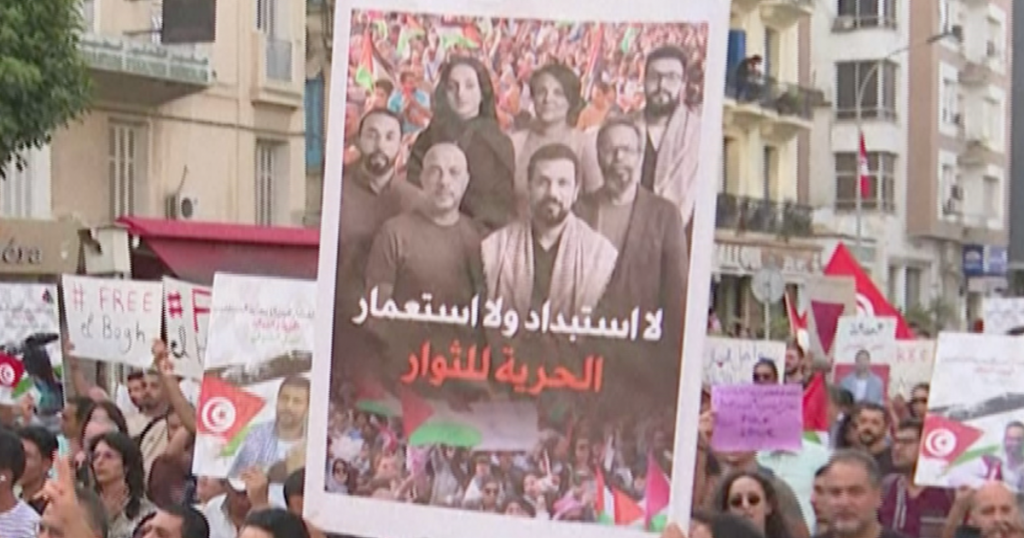
In the capital city of Tunis, hundreds of Tunisians gathered to protest and demand the release of four activists associated with the Global Sumud Flotilla, who have been jailed. The protests highlight growing public concern and solidarity with the activists who were part of the flotilla aimed at breaking the blockade of Gaza.
The Global Sumud Flotilla is among several international efforts to challenge the maritime blockade imposed on Gaza. Participants on these flotillas often face arrest and detention under various legal charges by authorities. The recent detention of four such activists has sparked significant outrage and calls for their freedom in Tunisia.
Protestors gathered in central Tunis, carrying banners and chanting slogans in support of the detained activists. They called on the Tunisian government to intervene diplomatically and ensure the immediate release of these individuals. The movement represents a broader concern over human rights and freedom of movement, emphasizing solidarity with Palestinians living under blockade conditions.
The protests underscore the continued regional tensions surrounding the Gaza Strip and the international outcry over the Israeli-imposed maritime restrictions. Activists and their supporters argue that the flotilla’s mission is humanitarian, intending to bring aid and draw global attention to the plight of Gaza’s population.
Tunisia, historically a vocal supporter of Palestinian rights, witnessed widespread public support during this protest. The government has yet to issue a formal statement regarding the detention of the four activists, but pressure from civil society groups and the general public appears to be mounting.
Experts note that such protests, while peaceful, reflect a growing frustration in many parts of the Arab world about ongoing conflicts and the treatment of activists involved in humanitarian missions. The case of the Global Sumud Flotilla activists adds to the ongoing dialogue about international laws, human rights, and the role of states in protecting their citizens abroad.
The detained activists have reportedly been held under conditions that many international observers consider harsh. Calls for transparent legal proceedings and respect for their rights have been echoed by human rights organizations and international bodies.
As the situation develops, the Tunisian protests might influence diplomatic engagements and raise awareness about the challenges faced by activists involved in operations like the Global Sumud Flotilla. The public mobilization in Tunis serves as a reminder of the power of civic activism and the global resonance of the Palestinian cause.
The activists’ plight continues to draw attention not only in Tunisia but across various international platforms where human rights and freedom of navigation in conflict zones remain contentious issues. The outcome of this detention case may set precedents for future humanitarian efforts in the region.
In summary, the large-scale protests in Tunis demanding the release of jailed Global Sumud Flotilla activists reflect mounting public support and concern for humanitarian missions in Gaza. These events highlight ongoing geopolitical tensions, human rights debates, and the critical role of international solidarity movements in advocating for justice and freedom.