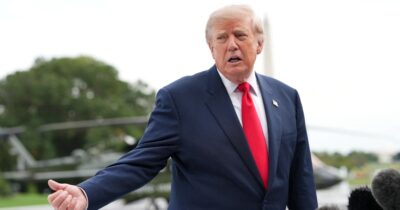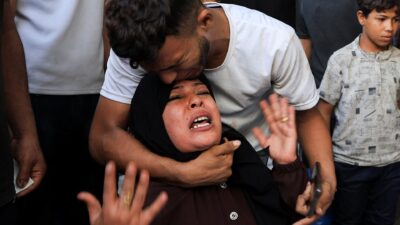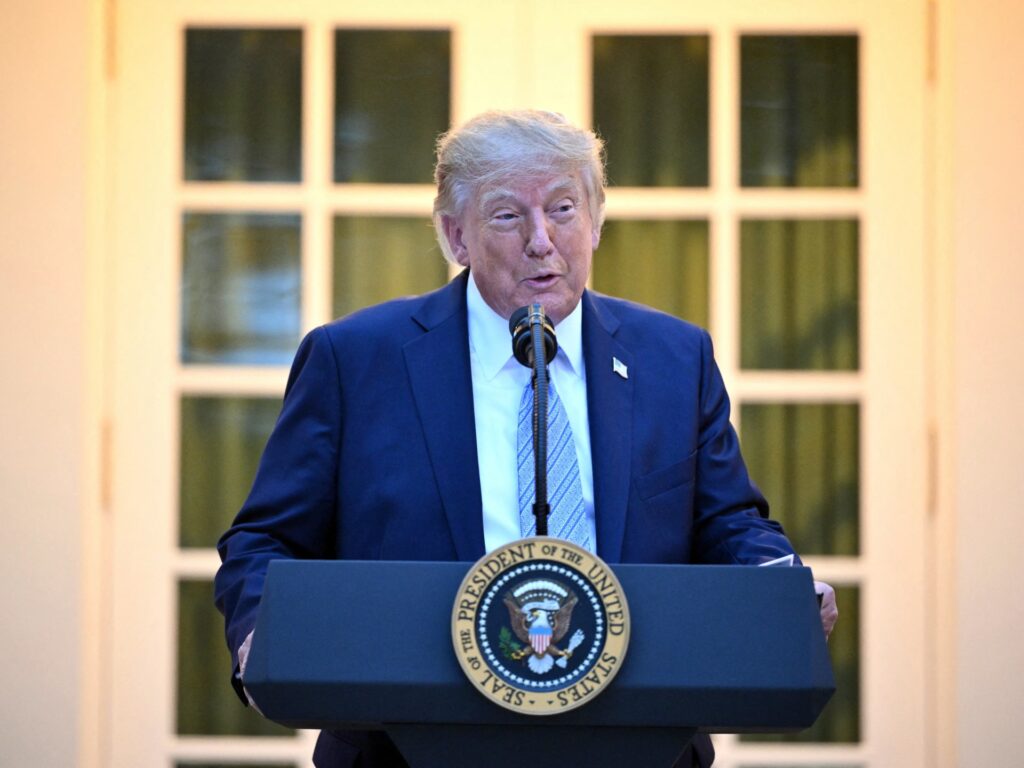
Recent polling data reveals a significant shift in American public opinion regarding the potential for war with Iran. As tensions escalate globally, 71 percent of US voters now believe that former President Donald Trump’s administration lacks a clear and effective strategy for resolving the conflict with Iran. This sentiment signals a growing opposition to military engagement among the electorate, reflecting broader anxieties about the consequences of war and skepticism over the government’s approach.
The poll, conducted by a reputable research firm, surveyed a diverse cross-section of American voters, providing insight into current attitudes toward foreign policy and national security. The findings indicate that a majority of Americans are concerned not only about entering a conflict with Iran but also about the preparedness and strategic planning behind such decisions.
Opposition to war with Iran among US voters has reached unprecedented levels, with many expressing fears of prolonged military involvement and its impact on American lives and resources. Voters are increasingly demanding transparency and a coherent, comprehensive plan from their leaders before supporting any actions that could lead to conflict.
This shift in public opinion can be attributed to several factors, including recent diplomatic failures, economic instability, and past experiences with prolonged military engagements in the Middle East. Many respondents voiced doubt about the Trump administration’s ability to handle the situation effectively, referencing previous instances where communication and strategy appeared disjointed.
Experts suggest that the increasing skepticism reflects a broader desire for diplomatic solutions over military interventions. Many voters view negotiations and peaceful resolutions as more viable and preferable alternatives to conflict, emphasizing the need for patience and nuanced policy-making.
The poll’s results have significant implications for policymakers and politicians, especially as they navigate the complexities of US-Iran relations. With the electorate clearly signaling their disapproval of a war approach, political leaders face pressure to reconsider their strategies and prioritize diplomatic efforts.
Moreover, the data underscores the importance of clear communication from government officials regarding foreign policy decisions. Lack of clarity and mixed messages can erode public trust and undermine national unity during critical times.
As the situation in the Middle East continues to develop, the growing opposition to war among US voters highlights a critical theme in contemporary American politics—caution and strategic foresight are paramount. The public is calling for leaders who can not only articulate a clear vision but also pursue policies that safeguard peace and security.
In summary, the latest poll reveals a marked increase in US voter opposition to war on Iran, driven by concerns over the Trump administration’s clarity and strategy. This trend reflects a broader demand for diplomatic resolutions and signals significant challenges for future US foreign policy decision-making. The electorate’s message is clear: without a well-defined and credible plan, support for military action remains elusive.