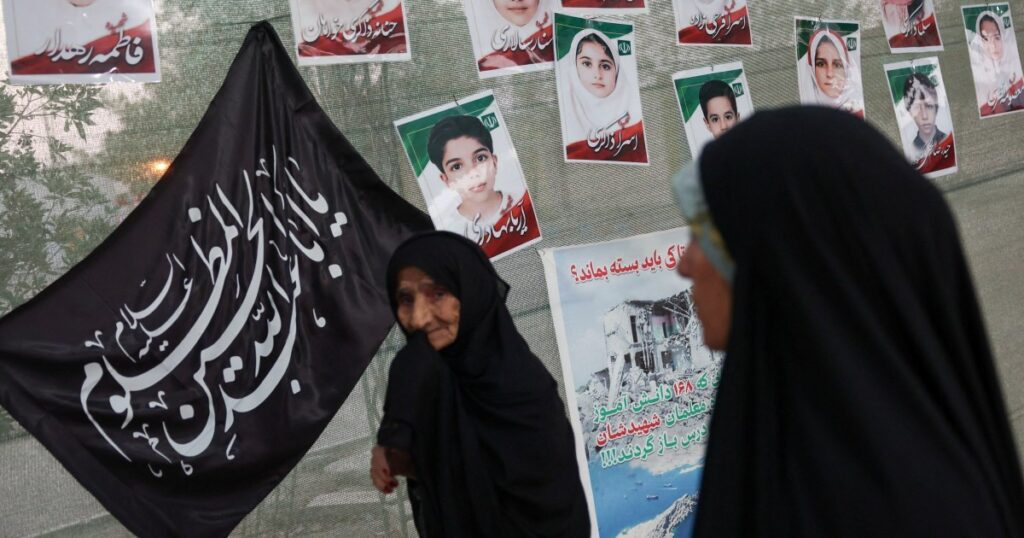
A recent United Nations investigation has raised serious allegations that the United States may have committed war crimes in Iran. The probe focused on specific U.S. military actions that allegedly targeted civilian infrastructure, including an Iranian school and a sports centre, resulting in the death of children among other casualties.
According to the UN report, the U.S. strikes on these facilities were unlawful under international humanitarian law. The investigation highlights that attacking civilian areas, especially those known to be occupied by non-combatants such as children, constitutes a breach of the laws governing armed conflict.
The report further details the circumstances of the strikes, including the timing, the nature of the targets, and the evidence gathered from the sites. The UN probe was conducted with the cooperation of international legal experts and eyewitnesses, aiming to deliver an impartial review of the events.
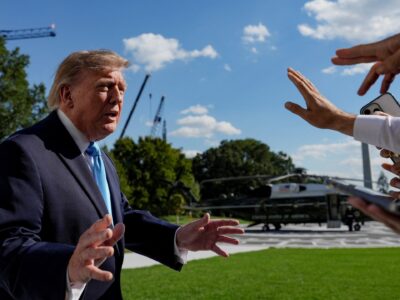
In response to the UN findings, the White House has firmly rejected the allegations, asserting that the U.S. military operations were conducted within the bounds of international law and necessary for national security objectives. Officials emphasized that every effort is made to avoid civilian casualties during military actions.
The controversy highlights ongoing tensions between the international community’s expectations of military conduct and the strategic decisions made during conflicts. War crimes allegations carry significant legal and diplomatic implications, potentially affecting the U.S.’s international standing and its relations with Middle Eastern countries.
Human rights organizations have welcomed the UN report and called for further investigations to ensure accountability for the deaths of civilians, especially children. These groups stress that adherence to international humanitarian law is essential for the protection of non-combatants and the preservation of human dignity during armed conflicts.
The incident has sparked discussion on the need for greater transparency and oversight of military operations conducted by global powers. Critics argue that stronger mechanisms are required to prevent unlawful attacks and to hold perpetrators accountable when violations occur.
The UN’s findings serve as a reminder of the devastating human cost of armed conflict and the importance of international rules designed to protect civilian lives. They also reignite debates on the balance between military objectives and humanitarian considerations in modern warfare.
As the international community reacts to the report, diplomatic channels may be tested, and calls for dialogue and reconciliation could intensify. The situation underscores the ongoing challenges in enforcing international law amid complex geopolitical conflicts.
In conclusion, the UN’s report on possible U.S. war crimes in Iran has ignited a multifaceted discussion involving legal, political, and ethical dimensions. It remains to be seen how these allegations will influence future military conduct, international relations, and the pursuit of peace and justice in conflict zones.