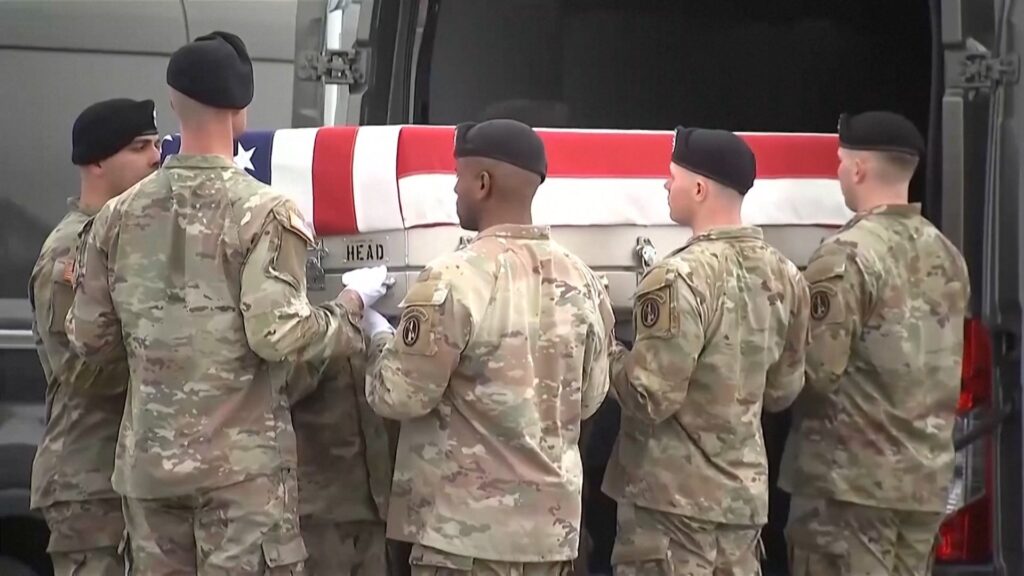
A recent report has surfaced indicating a discrepancy in the number of US military fatalities in the ongoing conflict with Iran. Official Pentagon sources have publicly acknowledged 18 US military deaths since the Iran war began. However, the new report suggests that the actual number of American troop deaths is higher than what the Pentagon has disclosed.
This disparity has raised concerns about transparency and the full extent of US involvement in the conflict. Military families and policymakers alike demand clarity on the true human cost of the war. The Pentagon’s figures have been the official statistic used in media reports, government briefings, and public disclosures, making this new information particularly significant.
Experts point out that wartime casualty figures can sometimes be underreported or delayed due to operational security, the chaotic nature of battlefield reporting, or political reasons. Still, a meaningful gap in reported deaths could affect the public perception and policy decisions regarding the conflict.
The Iran war, which has been ongoing for several years, involves complex military operations and covert engagements in the region. US troops have been deployed in various capacities, from direct combat to support and advisory roles. The risk to American forces remains high due to hostile actions, including ambushes, improvised explosive devices, and missile strikes.
Families of the fallen soldiers have also expressed frustration over what they perceive as an underreported casualty count. Accurate accounting is crucial not only for honoring the sacrifices made but also for understanding the war’s impact on soldiers and their communities.
Military analysts are calling for a thorough investigation to verify the numbers and ensure transparent communication with the public. This could involve reviewing classified reports, battlefield logs, and corroborating accounts from multiple sources within the military.
Transparency in casualty reporting is vital for democratic accountability and informed decision-making by elected leaders. The disclosure of a higher death toll may prompt increased scrutiny of military strategies and the overall objectives of the US presence in Iran.
As the nation grapples with these revelations, pressure mounts on the Department of Defense to reconcile the conflicting numbers and provide a clear explanation. The Pentagon has yet to issue a formal statement addressing the report or to release any updated figures.
The situation underscores the ongoing challenges in managing information during wartime and the importance of accurate reporting for both public trust and historical record. Moving forward, it is expected that there will be heightened demands for improved transparency and accountability regarding military operations and their human costs in the Iran conflict.