In the ongoing conflict in Taiz, Yemen, government forces backed by Saudi Arabia are actively resisting advances made by Houthi insurgents. The city of Taiz, a strategic location in western Yemen, has been a focal point of intense fighting, with significant implications for the broader conflict in the region.
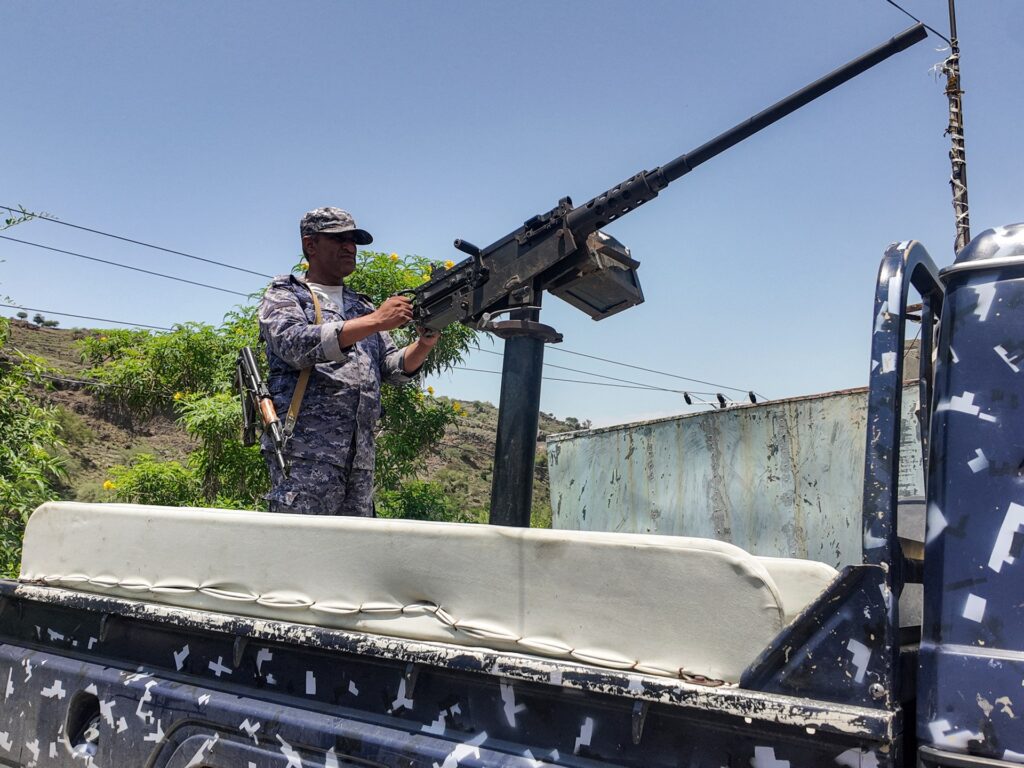
Government troops, aiming to halt the progress of the Houthis, have launched concentrated efforts to reclaim and secure key positions within Taiz. This operation is critical, as control over Taiz could influence supply routes and territorial dominance in western Yemen.
Saudi Arabia has intensified its involvement by conducting air strikes to support the beleaguered government forces. These air strikes aim to weaken Houthi defenses and provide aerial cover to ground operations. The Saudi-led coalition regards the Houthis as a significant threat due to their alleged ties with Iran, making their defeat a strategic priority.
The air strikes have targeted Houthi positions and supply lines, causing disruption and attempting to slow the rebel advance. The coordination between Saudi pilots and government ground troops highlights the complexity and multi-faceted nature of the conflict.
Despite the support, Houthi forces have shown resilience, pushing into Taiz and attempting to solidify their control. Their advances have led to clashes in urban and surrounding rural areas, contributing to the volatility of the conflict zone.
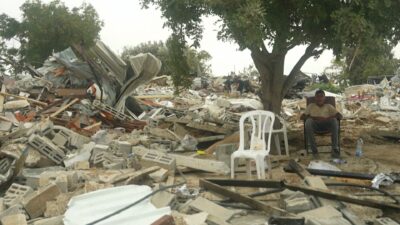
International observers express concern over the escalating violence and the humanitarian impact on civilians trapped in Taiz. The city has seen disruptions to essential services, displacement of residents, and increased casualties.
Efforts to broker peace have been ongoing but face significant challenges due to the entrenched positions and external influences on both sides. The Saudi-backed government forces continue to receive political and military assistance as they attempt to regain control.
Analysts suggest that the outcome in Taiz may set a precedent for the future course of the Yemeni conflict, impacting negotiations and military strategies. The involvement of Iran, although indirect through its support of the Houthis, adds another layer of complexity to the regional dynamics.
As the battle for Taiz unfolds, the international community watches closely, hoping for a resolution that can bring stability to a region long plagued by war and unrest. Meanwhile, the fighting continues, with government forces and their Saudi allies committed to stopping the Houthi advance and regaining control over this crucial area.