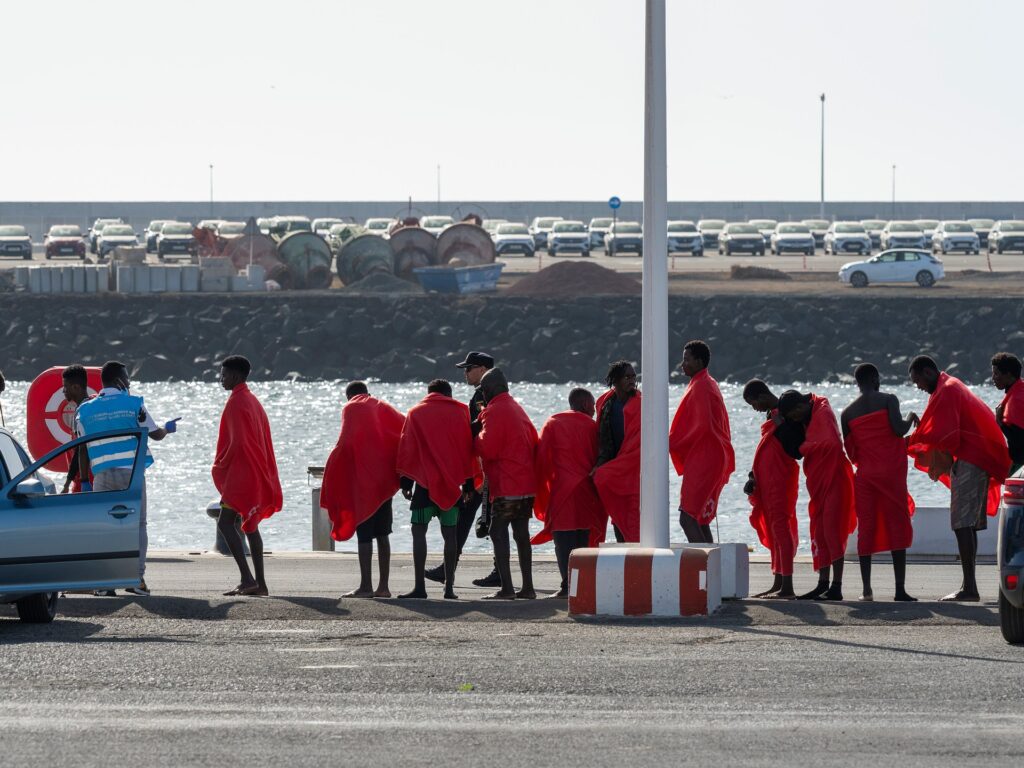
In 2026, the number of migrants attempting to cross into Europe by sea has seen a significant decline, according to the International Organization for Migration (IOM). Despite this reduction in crossings, the risks faced by migrants remain alarmingly high. The IOM reported that over 2,200 migrants either died or vanished at sea during the year, underscoring the dangerous nature of these journeys.
The drop in sea crossings can be attributed to multiple factors, including stricter border controls, enhanced surveillance by European authorities, and growing awareness of the dangers involved in the passage. Nevertheless, the perilous conditions continue to claim many lives, reflecting the ongoing humanitarian crisis in migration from Africa and the Middle East toward Europe.
Migrant routes in the Mediterranean remain among the most hazardous in the world. Many migrants embark on overcrowded and unseaworthy boats, often organized by human traffickers exploiting vulnerable populations. The IOM highlights that despite fewer people making the attempt, those who do face increasingly risky conditions, leading to a tragically high fatality rate.
The IOM’s data reveal that these grim statistics not only reflect maritime disasters but also cases of migrants who went missing under mysterious circumstances, with no trace left behind. This makes rescue operations and accurate accounting of victims more complex and emphasizes the need for improved international cooperation.
Humanitarian organizations call for increased support for safer migration channels and enhanced search and rescue operations to prevent further loss of life. They also stress the importance of addressing the root causes driving people to risk such desperate escapes, including poverty, conflict, and political instability in their home countries.
European governments have been urged to balance strict border enforcement with the protection of human rights and provision of asylum for those fleeing persecution. The challenge remains to create policies that manage migration effectively while preserving the dignity and safety of migrants.
In summary, while the decline in sea crossings to Europe in 2026 offers a glimmer of hope that some deterrents are effective, the persistent high death toll serves as a stark reminder of the dangers migrants face. Continued efforts, both preventive and protective, are essential to reduce casualties and improve the humanitarian response during this ongoing crisis.