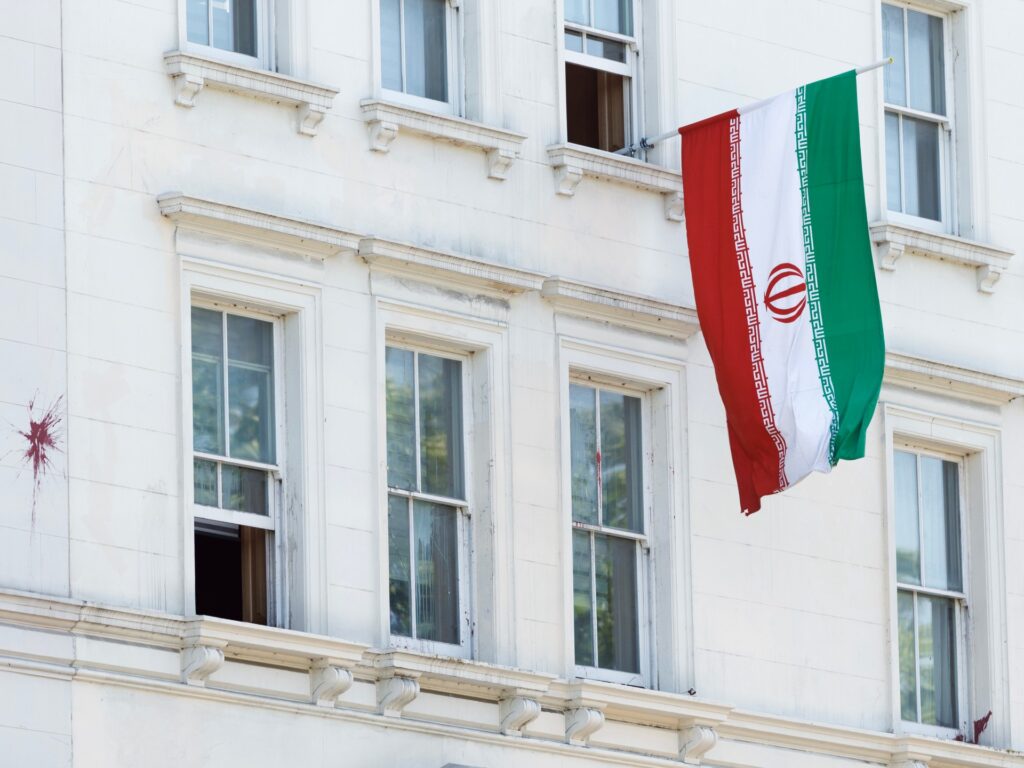
Tehran has taken the dramatic step of expelling a Swedish diplomat, giving the official 48 hours to leave the country. This move comes as a direct retaliation, with Iranian authorities accusing Stockholm of succumbing to outside pressures. The situation marks a significant strain in Iran-Sweden relations, highlighting the increasing diplomatic tensions between the two nations.
According to Iranian officials, the expulsion is a response to what Tehran describes as Sweden’s submission to external influences that run counter to Iran’s interests. Iranian state media have reported that the Swedish diplomat’s presence was deemed untenable in light of these accusations, prompting the swift termination of their diplomatic tenure.
The Swedish government has yet to issue a detailed public statement regarding the expulsion, but sources suggest that Stockholm is closely monitoring the situation while assessing its diplomatic response. This development is viewed by analysts as an indicator of the broader geopolitical challenges Iran faces on the international stage, particularly concerning its relations with European countries.
Relations between Iran and Sweden have been traditionally stable, but recent years have seen growing friction amid differing stances on issues such as human rights, nuclear agreements, and regional security concerns. The current diplomatic crisis underscores the deepening divide, as Iran appears increasingly sensitive to criticisms and external diplomatic activities perceived as hostile.
Diplomatic expulsions are often used as a tool to express discontent and push back against what one country views as meddling in its internal affairs. In this case, Iran’s decision sends a clear message of retaliatory assertiveness, signaling its unwillingness to tolerate perceived foreign interference.
The Swedish diplomat’s expulsion could also impact bilateral cooperation on trade, cultural exchanges, and international cooperation in forums where both countries engage. Experts warn that prolonged diplomatic tensions may have broader repercussions, affecting not only bilateral ties but also regional stability and international diplomatic efforts related to Iran.
Observers note that the timeframe of 48 hours for the diplomat to leave is a relatively short notice, reflecting the urgency and seriousness with which Iran regards the matter. Such rapid action often escalates diplomatic disputes, making resolution more challenging.
The incident may prompt Sweden and other Western nations to reconsider their diplomatic strategies concerning Iran, balancing the need to uphold their values and interests while avoiding further provocations.
As Iran continues to express defiance against what it calls external pressures, the expulsion of the Swedish diplomat serves as a stark reminder of the fragile nature of diplomatic relations in an increasingly complex and pressured international environment. The coming days will be critical in determining whether dialogue can resume or if tensions will escalate further, potentially affecting not only Iran and Sweden but the broader geopolitical landscape as well.