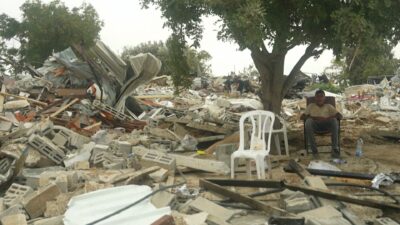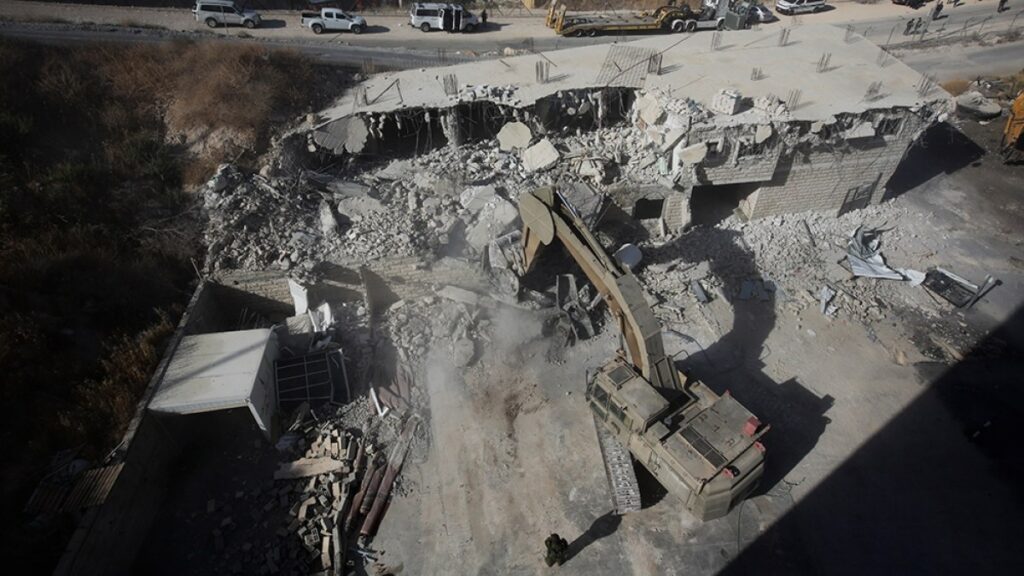
Recent reports have revealed that Israel has begun employing artificial intelligence (AI) technologies to facilitate the demolition of Palestinian homes and properties in the West Bank, a territory under Israeli occupation. This development marks a significant escalation in the use of technological tools in the ongoing Israeli-Palestinian conflict, raising ethical and humanitarian concerns on an international scale.
According to sources, AI algorithms are being utilized to automate the process of identifying Palestinian structures slated for forced eviction and demolition. The use of such automated systems reportedly accelerates the pace of demolitions by streamlining administrative and procedural steps that previously required manual human intervention. These AI applications analyze geographic and legal data to determine which buildings Israeli authorities consider subject to demolition orders.
The Palestinian territories, particularly the West Bank, have seen persistent tensions and conflict related to land ownership, rights, and residency. Forced evictions and home demolitions are common tactics employed by Israeli authorities to displace Palestinian families and solidify control over disputed areas. By integrating AI tools, these operations are becoming more efficient and less transparent, often leaving affected communities with little recourse or warning.
Human rights organizations and international observers have expressed alarm at this technological shift. They argue that automating such processes not only dehumanizes those affected but also risks removing critical oversight and accountability mechanisms. Automated decision-making could lead to increased errors, wrongful demolitions, and a further exacerbation of already dire humanitarian conditions.
Moreover, this development raises significant questions about the ethical use of AI in conflict zones and occupied territories. The deployment of AI in this context reflects a broader trend of militarizing advanced technology to assert control and suppress dissent. Legal experts warn that this use of AI might contravene international law, particularly with respect to the rights of indigenous populations and the protections afforded to civilians in occupied territories.
Israel’s government has not publicly detailed the scope or nature of the AI tools in use, nor have they addressed concerns raised by critics. Meanwhile, Palestinians living in the West Bank face an increasingly uncertain future as their homes and livelihoods are put at risk by this new technological approach.
The international community is watching closely, with calls for transparency, regulation, and the ethical governance of AI in military and administrative applications. There is growing advocacy for policies that prohibit the weaponization of AI in ways that infringe on human rights and humanitarian principles.
In summary, the weaponization of AI by Israel for conducting forced evictions and demolitions in the West Bank signifies a disturbing advancement in conflict technology. It underscores the urgent need for robust global frameworks to ensure AI is used responsibly and ethically, particularly in contexts marked by conflict and occupation.