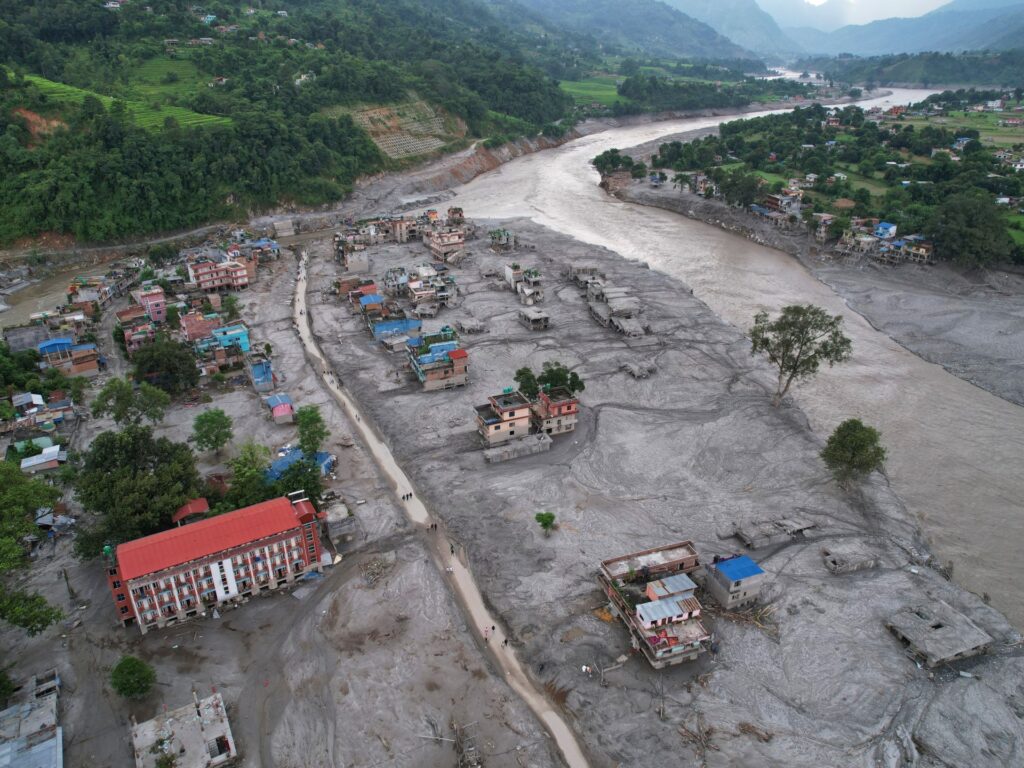
Scientists have pointed to climate change as a significant factor behind the recent catastrophic floods in Nepal, which have resulted in the tragic loss of 1,446 lives and left at least 6,669 people missing. The severe flooding, triggered by unprecedented rainfall and glacial melt, highlights the growing vulnerability of mountainous regions to climatic shifts.
Nepal, nestled in the Himalayas, is particularly susceptible to the impacts of global warming due to its high altitude and fragile ecosystems. Experts explain that rising temperatures accelerate glacier melting and intensify monsoonal rains, leading to increased frequency and severity of floods.
This year’s disaster stands as a grim reminder of the escalating risks climate change poses to water security and disaster management in the region. The flash floods and landslides have devastated communities, destroyed infrastructure, and disrupted livelihoods across multiple districts.
Local authorities and international aid organizations are mobilizing relief efforts, but the scale of the catastrophe demands long-term strategies aimed at adaptation and resilience. Scientists advocate for enhanced monitoring of glacial lakes, improved early warning systems, and sustainable land use practices to mitigate future disasters.
The Nepalese government faces critical challenges in balancing development needs with environmental protection. Meanwhile, the global community is urged to intensify efforts to curb greenhouse gas emissions to prevent further warming that exacerbates such extreme weather events.
The human cost of this tragedy underscores the urgent need for comprehensive climate action. As monsoons become more unpredictable, Nepal’s experience serves as a case study for other vulnerable nations grappling with the complex consequences of climate change.
In summary, the Nepal floods are a stark indicator of the direct link between climate change and natural disasters. Addressing these challenges requires collaboration among governments, scientists, and communities to build a more resilient future.
The ongoing search for the missing continues amid fears that many may have perished. Relief agencies are also focusing on providing survivors with emergency shelter, medical aid, and psychological support.
Looking forward, experts emphasize that proactive adaptation measures and international cooperation will be critical in reducing the tragedy associated with such natural catastrophes, which are expected to increase as the planet warms.