Amid the ongoing destruction in Gaza, Norway’s sovereign wealth fund, one of the world’s largest and most influential investment funds, continues to yield substantial profits from its holdings in companies linked to the Israeli military. This has sparked a debate over the ethical implications of investment choices made by the fund against the backdrop of a humanitarian crisis.
The Norwegian wealth fund, also known as the Government Pension Fund Global, manages the country’s substantial oil revenues by investing in global equities, bonds, and real estate. Its investment portfolio includes shares in major multinational companies, some of which have contracts or business ties with the Israeli defense sector.
As violent conflict intensifies in Gaza, where thousands of lives have been lost and infrastructure devastated, scrutiny has turned to the fund’s exposure to these Israeli-affiliated companies. Critics argue that continuing to profit from such investments enables the perpetuation of conflict and undermines Norway’s proclaimed commitment to ethical and socially responsible investment policies.
This controversy highlights the broader challenge faced by sovereign wealth funds and institutional investors worldwide, which must reconcile financial returns with ethical considerations amid geopolitical conflicts. Norway has historically been a pioneer in responsible investing, establishing guidelines that exclude companies engaged in activities detrimental to human rights.
Nevertheless, tracking the involvement of certain companies in military operations or controversial defense projects can be complex. Funds like Norway’s rely heavily on transparency and stringent evaluation processes to determine which investments align with their ethical mandates.
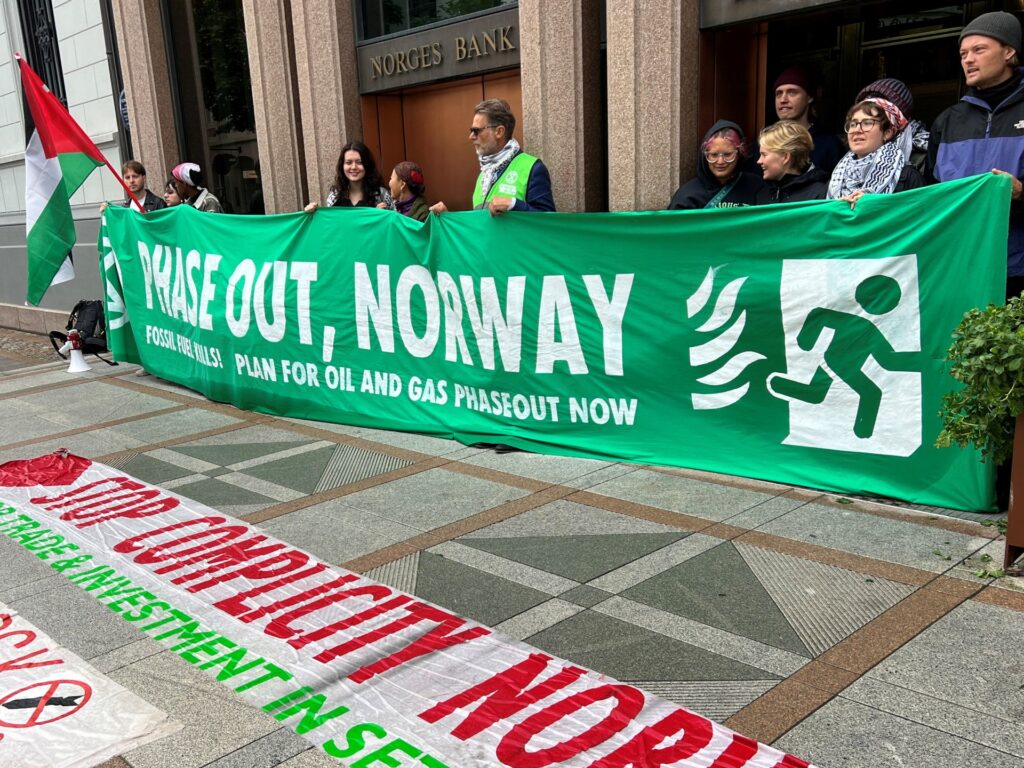
The current situation calls for an urgent reassessment of investment portfolios to ensure alignment with human rights principles and to support peaceful resolutions rather than profiting from violence. Public pressure and advocacy from human rights organizations have intensified, urging Norway and other institutional investors to divest from companies implicated in the conflict.
This moment underscores the power of financial institutions not only as economic actors but as stakeholders with significant influence over global affairs. Ethical investment decisions could contribute to de-escalating tensions and promoting justice in the region.
In conclusion, Norway’s sovereign wealth fund faces a critical test of its ethical investment commitments amid the Gaza crisis. Its decisions will resonate beyond financial metrics, potentially shaping the role of capital in conflict zones and reinforcing the global movement for responsible investing that respects human dignity and peace.