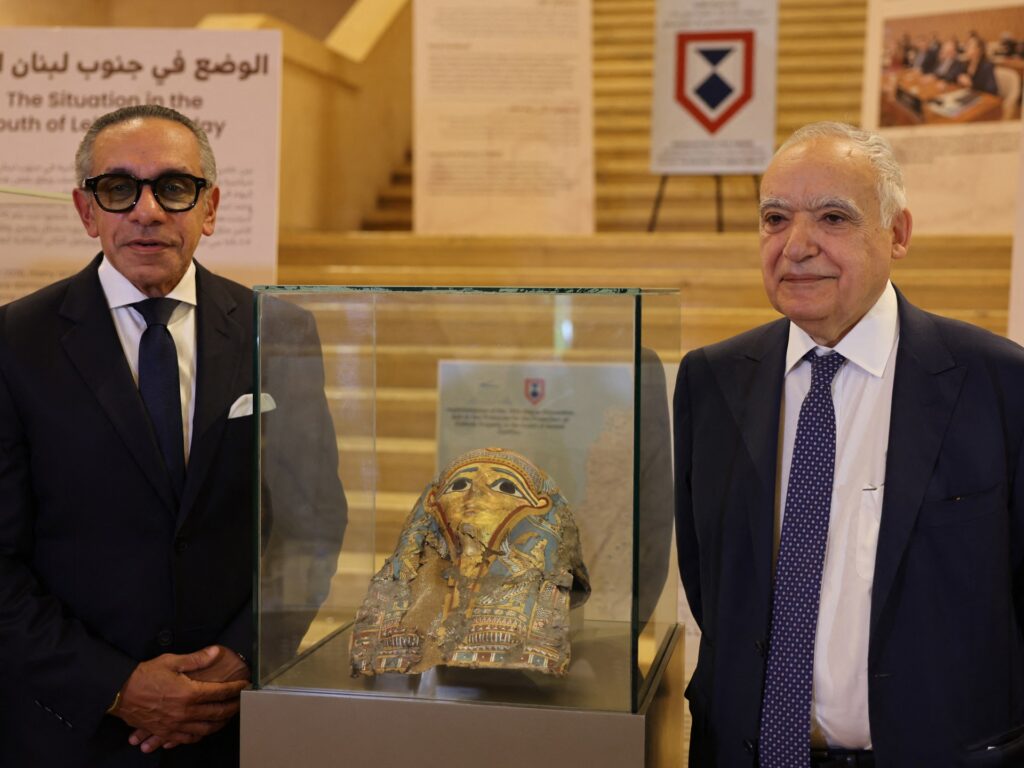
In a significant cultural restitution move, Lebanon has returned 37 artifacts to Egypt that were smuggled out of the country six years ago. These priceless antiquities date back to the illustrious pharaonic civilization, commonly known as ancient Egypt, which flourished thousands of years ago along the Nile River.
The repatriation effort highlights ongoing international cooperation to combat the illicit trade in cultural heritage objects and preserve the historical legacy of nations. The smuggled artifacts, now back in Egyptian hands, represent a meaningful segment of ancient Egyptian history and artistry, offering insights into the lives, beliefs, and practices of one of the world’s earliest and most influential civilizations.
Lebanese authorities uncovered the artifacts during efforts to curb illegal trafficking and worked closely with Egyptian officials to authenticate, secure, and repatriate the objects. The six-year delay between the discovery and the return underscores the complexities involved in identifying and processing cultural items intertwined with legal and diplomatic processes.
Ancient Egypt is renowned for its monumental architecture, hieroglyphics, and religious artifacts, many of which remain deeply embedded in Egypt’s national identity and attract millions of tourists annually. Recovering smuggled artifacts not only restores these treasures to their rightful place but also sends a strong message against cultural heritage theft.
Egypt’s Ministry of Antiquities expressed gratitude toward the Lebanese government for its cooperation, emphasizing the importance of mutual respect and collaboration in preserving cultural heritage. This event also reinforces the need for heightened vigilance and strengthened laws to deter similar crimes in the future.
Experts believe the returned items could range from statues and amulets to pottery and inscriptions, each piece telling a unique story of ancient Egyptian society. By returning these artifacts, Lebanon has contributed significantly to the global effort to protect cultural history and maintain the integrity of archaeological sites.
This repatriation joins a broader international movement wherein countries are increasingly working together to recover stolen cultural property, fostering global respect for the heritage that reflects humanity’s shared past. It is hoped that such initiatives will enhance cross-border partnerships and encourage responsible stewardship of cultural resources worldwide.