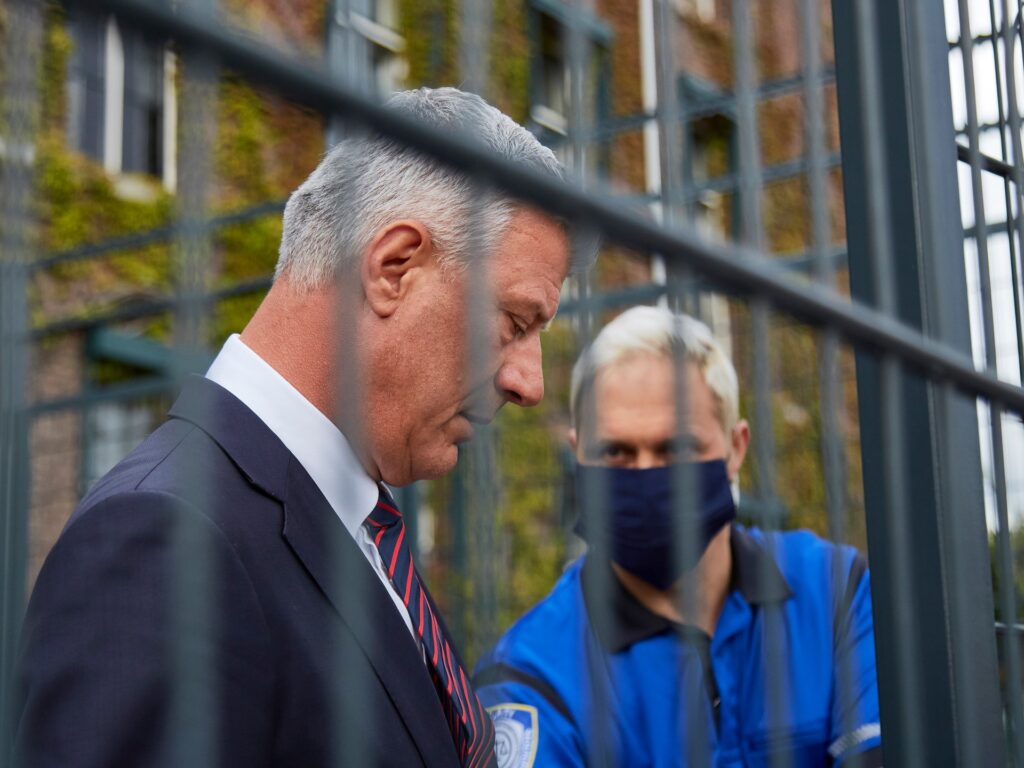
In a landmark ruling, former Kosovo President Hashim Thaci has been convicted of war crimes. The conviction marks a significant moment in the pursuit of justice for crimes committed during the Kosovo conflict in the late 1990s. Hashim Thaci, who served as the President of Kosovo, was charged with numerous war crimes including murder, torture, and persecution. These charges stem from his alleged role as a leader of the Kosovo Liberation Army (KLA) during the conflict against Serbian forces.
The trial, held by an international court, meticulously examined evidence and testimonies that linked Thaci to severe human rights abuses. The court’s verdict underscores the importance of holding leaders accountable for their actions during wartime, regardless of their political status.
The Kosovo war, which lasted from 1998 to 1999, devastated the region and led to massive displacement and suffering. The conviction of Thaci is seen by many as a step towards reconciliation and healing for the victims and their families.
International reactions have varied, with many countries and human rights organizations welcoming the verdict as a reinforcement of international law and justice. Others caution that this may have complex political repercussions in the Balkan region.
Thaci’s conviction serves as a reminder of the enduring need for international judicial mechanisms to address war crimes and to ensure justice is served. It also highlights the ongoing challenges faced by post-conflict societies in addressing their troubled pasts.
As Kosovo continues to build its democratic institutions and strives for greater international recognition, this conviction may influence its political landscape and relations with neighboring countries.
The ruling sets a precedent for future cases involving allegations of war crimes and reinforces the global commitment to accountability and the rule of law.