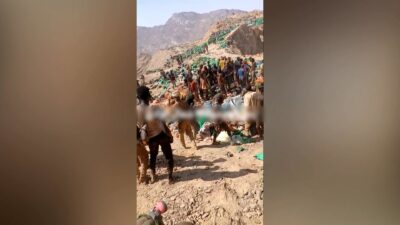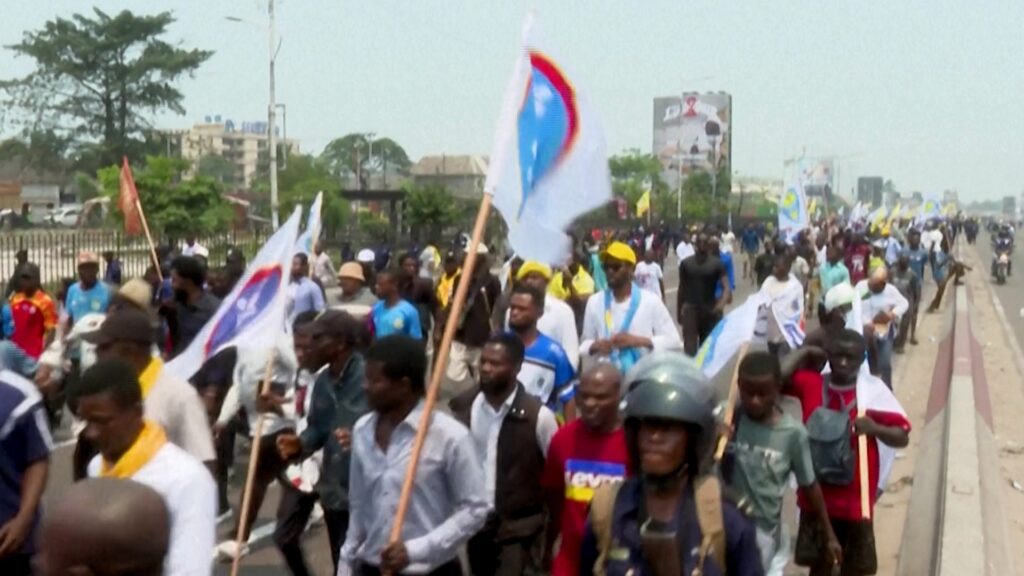
In the Democratic Republic of Congo (DR Congo), hundreds of citizens gathered to protest against the possibility of a third presidential term for the current president. The demonstrations reflect growing concerns among the population about the extension of presidential power, which many see as a threat to the country’s democratic processes.
The protests were peaceful but vocal, with participants expressing their dissatisfaction with the political situation. They fear that a third term would undermine recent progress toward democratic governance and lead to increased authoritarianism.
Citizens carried banners and chanted slogans emphasizing the need for political change and respect for constitutional term limits. The issue of presidential term limits remains a contentious topic in many African nations, including DR Congo, where the constitution traditionally restricts leaders to two terms to prevent prolonged rule by a single individual.
The current president’s possible bid for a third term has sparked national and international debate. Supporters argue that the president’s continued leadership is vital for stability and economic development. However, opponents see it as an erosion of democratic norms.
Political analysts warn that allowing a third term could set a dangerous precedent and potentially lead to political unrest. The protest signals the population’s demand for transparent governance and adherence to the constitution.
The government has acknowledged the public’s concerns but has not yet made an official statement regarding the presidency’s future. Observers expect the situation to evolve as the election period approaches.
These protests are part of a broader wave of civic activism across Africa, where citizens are increasingly mobilizing to influence political decisions and safeguard democratic principles. The outcome of this political confrontation in DR Congo could have significant implications for the region’s stability and democratic trajectory.