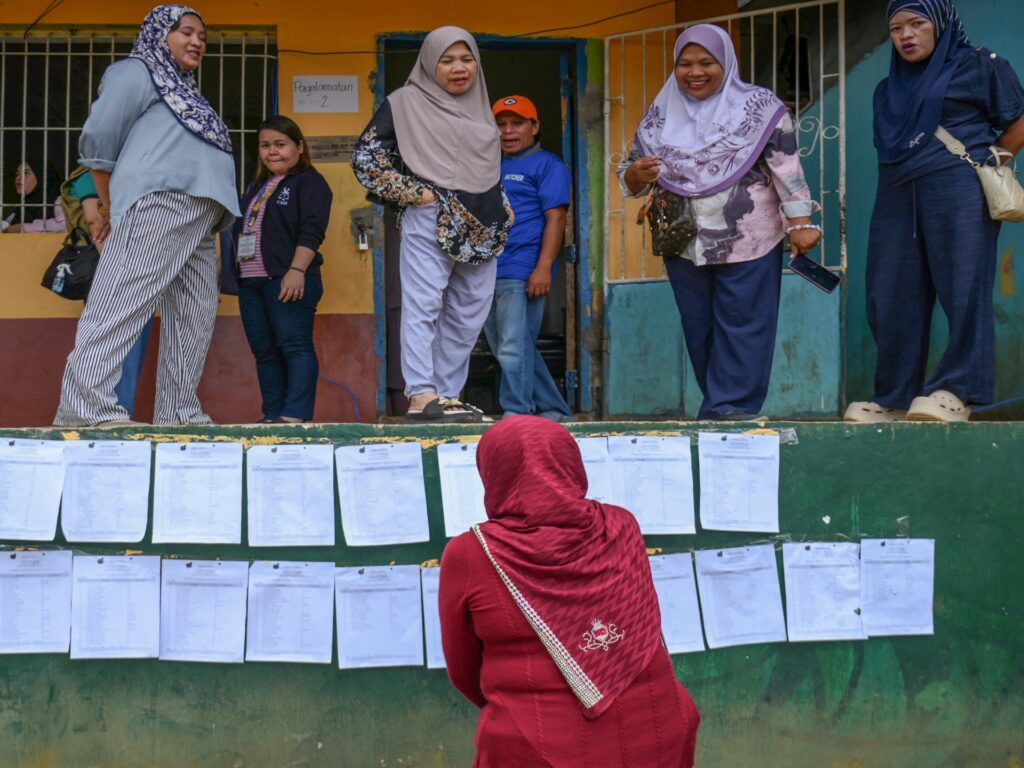
In the recent elections held in the Bangsamoro Autonomous Region in Muslim Mindanao (BARMM), no single political party has emerged with a clear majority, signaling potential coalition talks in the near future. With 98.56 percent of party-list votes counted, the unofficial results indicate a fragmented political landscape where no party has won a dominant share of the vote.
The Bangsamoro region, known for its unique autonomous status in the southern Philippines, has witnessed intense political activity as various parties and groups vie for influence and governance roles. These elections are crucial for the region’s stability and development, as they will determine the political direction and policy priorities for the coming years.
Historically, the Bangsamoro region has been marked by a complex interplay of local and national interests, with various factions striving to represent the diverse communities within the area. The absence of a majority winner among party-list groups reflects this diversity and underscores the challenges of forging consensus governance.
Analysts suggest that the fragmented results will necessitate coalition-building among parties in order to effectively govern and implement policies. Negotiations are likely to focus on sharing power, accommodating key stakeholders, and aligning on critical issues such as security, economic development, and social services.
This scenario also highlights the evolving political maturity of the region, as parties must now negotiate and collaborate rather than rely on unilateral control. It may pave the way for more inclusive governance models, but it also brings the challenge of balancing competing interests and ensuring political stability.
The official electoral commission is expected to release the final and certified results soon, which will provide clarity and confirm the composition of the legislative body. Meanwhile, political leaders and community representatives are likely engaging in behind-the-scenes discussions to lay the groundwork for coalition agreements.
The electorate’s diverse preferences as reflected in the voting patterns indicate a populace that values representation from multiple perspectives, pointing to a desire for a government that is responsive to various community needs.
As the Bangsamoro region navigates this transition period, the effectiveness of coalition talks could significantly impact the peace process, regional development, and the overall political climate.
Observers remain cautious but hopeful that the parties will prioritize the welfare of their constituents and work towards a governance framework that promotes unity, progress, and equitable resource distribution.
This electoral outcome is a pivotal moment for the Bangsamoro region, offering both challenges and opportunities as it continues to assert its autonomy and seek sustainable peace and development through democratic processes.