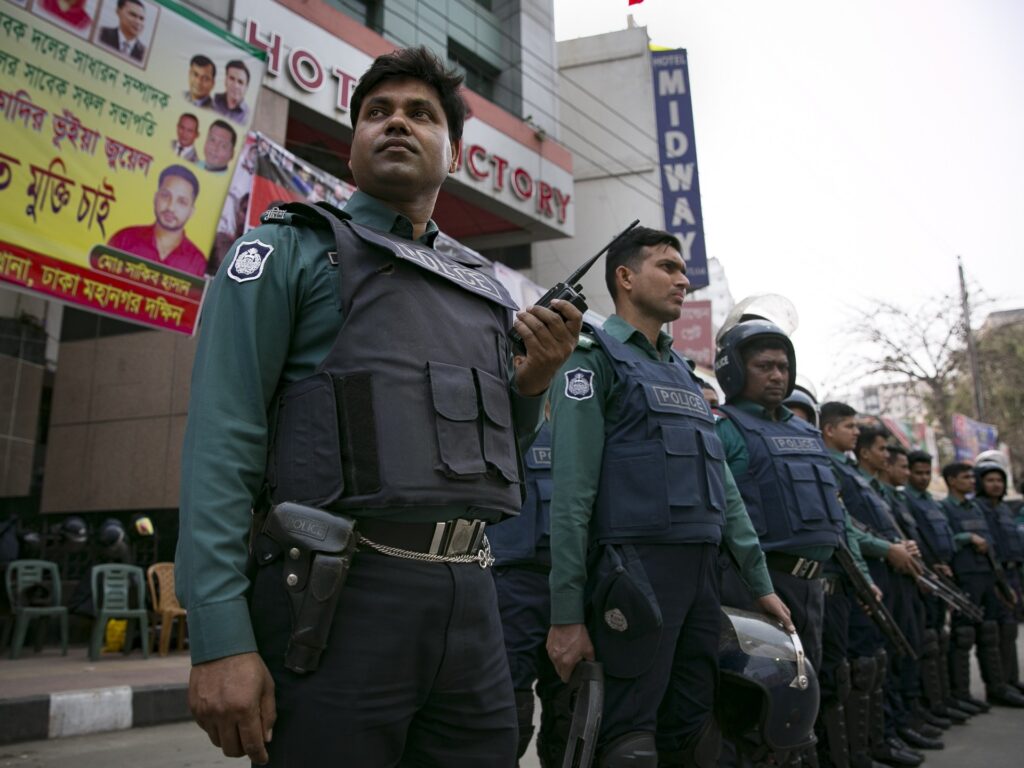
In a significant development in Bangladesh’s political and legal landscape, seven aides of the ousted Prime Minister Sheikh Hasina have been handed death sentences. These individuals, affiliated with the Awami League, the political party led by Hasina, were convicted on charges including murder and inciting killings.
The court’s decision marks a pivotal moment, reflecting the ongoing political tensions within the country as well as the judiciary’s approach towards accountability for violent crimes tied to political affiliations. The seven convicted individuals were found guilty of orchestrating and executing plans that led to deaths and encouraged violent acts, exacerbating instability.
The convictions were based on extensive investigations and evidence presented during the trials, which have been closely followed both nationally and internationally. Human rights groups and political analysts have reacted with a mix of concern and calls for fair legal processes, emphasizing the importance of justice being served impartially.
The political repercussions of this ruling are substantial. Sheikh Hasina, who was ousted from power, is known for her strong leadership and her party’s dominant role in Bangladesh’s politics. The sentencing of her aides could further intensify political rivalries and may impact the Awami League’s future activities and strategies.
Observers note that the death sentences serve as a stern warning against political violence and may deter similar activities in the future. They also highlight the challenges faced by Bangladesh in maintaining law and order amidst its complex political dynamics.
The government has pledged to uphold the rule of law and ensure that justice is delivered without bias. Meanwhile, supporters of the convicted insist on their innocence, calling the trial politically motivated.
This event underlines the fragile political environment in Bangladesh and the ongoing struggle for power and governance. The country’s legal system is being tested in its ability to handle politically charged cases effectively and fairly.
As Bangladesh continues to navigate these turbulent waters, the international community is watching closely, urging respect for human rights and democratic principles. The outcome of this case may have lasting effects on Bangladesh’s political stability and its commitment to justice and democracy.
In conclusion, the death sentences handed to seven aides of the ousted Prime Minister Sheikh Hasina for crimes including murder and inciting killings signify a crucial juncture for Bangladesh. The episode encapsulates the intersection of justice, politics, and human rights within a nation striving to find equilibrium in the face of division and discord.