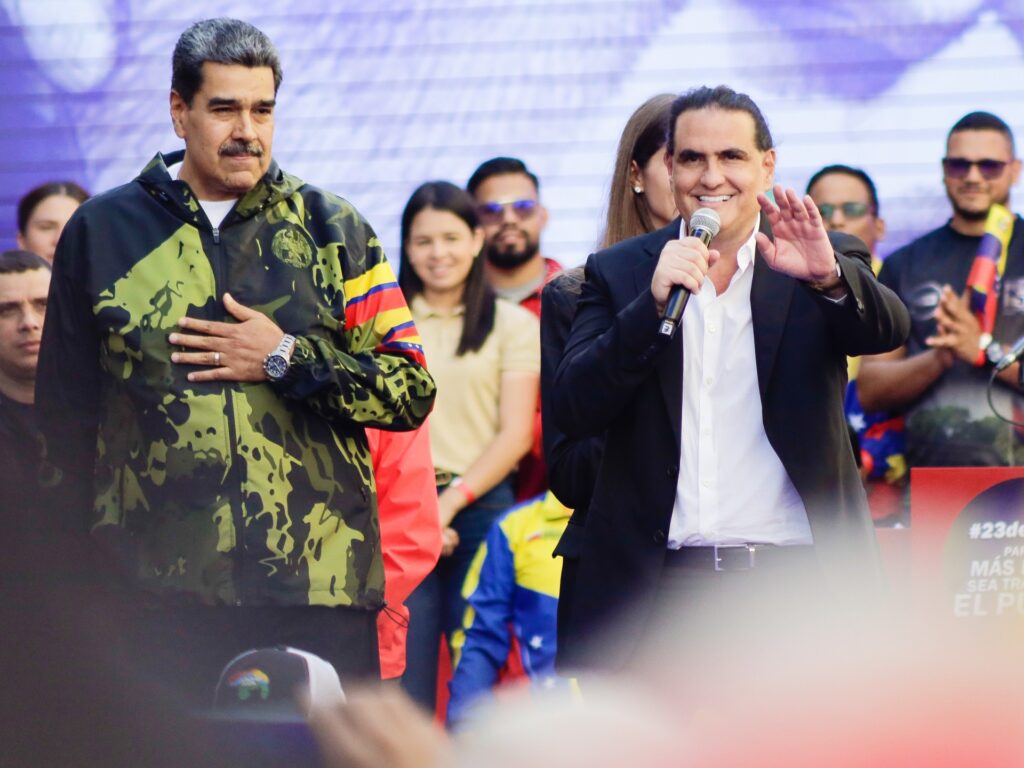
Alex Saab, a close ally of Venezuelan President Nicolás Maduro, has entered a guilty plea in a United States court regarding charges of money laundering and fraud. Saab was accused of laundering bribes and other illicit proceeds tied to Venezuela’s welfare program. The charges stem from investigations into corrupt activities linked to the misappropriation of public funds intended for social aid in Venezuela. According to court documents, Saab played a central role in schemes to funnel money through complex financial transactions involving foreign banks, facilitating the concealment of millions of dollars. The fraud charges highlight the manipulation and abuse of Venezuela’s welfare initiative, which was designed to support impoverished citizens but instead became a vehicle for corrupt enrichment. Prosecutors outlined how Saab’s involvement allowed for significant bribe payments to be disguised and integrated into seemingly legitimate business deals. The plea agreement signals a critical development in the broader U.S. campaign against corruption in Venezuela, particularly targeting those close to Maduro’s regime. Saab’s cooperation is expected to provide insights into the inner workings of Venezuelan officials and their networks involved in criminal enterprises. This case sheds light on widespread financial abuses within Venezuela’s government programs, undermining efforts to assist vulnerable populations during a severe economic crisis. U.S. authorities have intensified actions against international corruption, using legal tools to hold accountable individuals implicated in undermining governance and democratic institutions. Saab’s guilty plea could lead to further indictments and potentially aid in recovering misappropriated funds. The Venezuelan government has historically denied any allegations of corruption linked to its officials, framing such accusations as politically motivated. However, Saab’s case adds to a growing list of officials and businesspersons prosecuted internationally for similar offenses. Observers suggest that this development may impact diplomatic relations and international sanctions imposed on Venezuela. Meanwhile, human rights advocates emphasize the importance of transparency and accountability in safeguarding public resources meant for welfare programs. The case of Alex Saab exemplifies the challenges faced by countries grappling with corruption within public administration. As investigations proceed, there is increased attention on dismantling networks that exploit social programs for illicit gain. This guilty plea marks a significant step toward confronting systemic corruption and bolstering legal norms in governance. It also reinforces the role of international judicial cooperation in addressing transnational financial crimes. Going forward, authorities aim to leverage this precedent to ensure the integrity of social welfare initiatives and restore public trust. The continued scrutiny of officials linked to corrupt practices is expected to create deterrents for future malfeasance. The international community watches closely as these proceedings unfold, underscoring the global imperative to combat corruption and promote justice. Ultimately, the case serves as a reminder of the critical need to safeguard government aid programs that serve millions of vulnerable citizens.