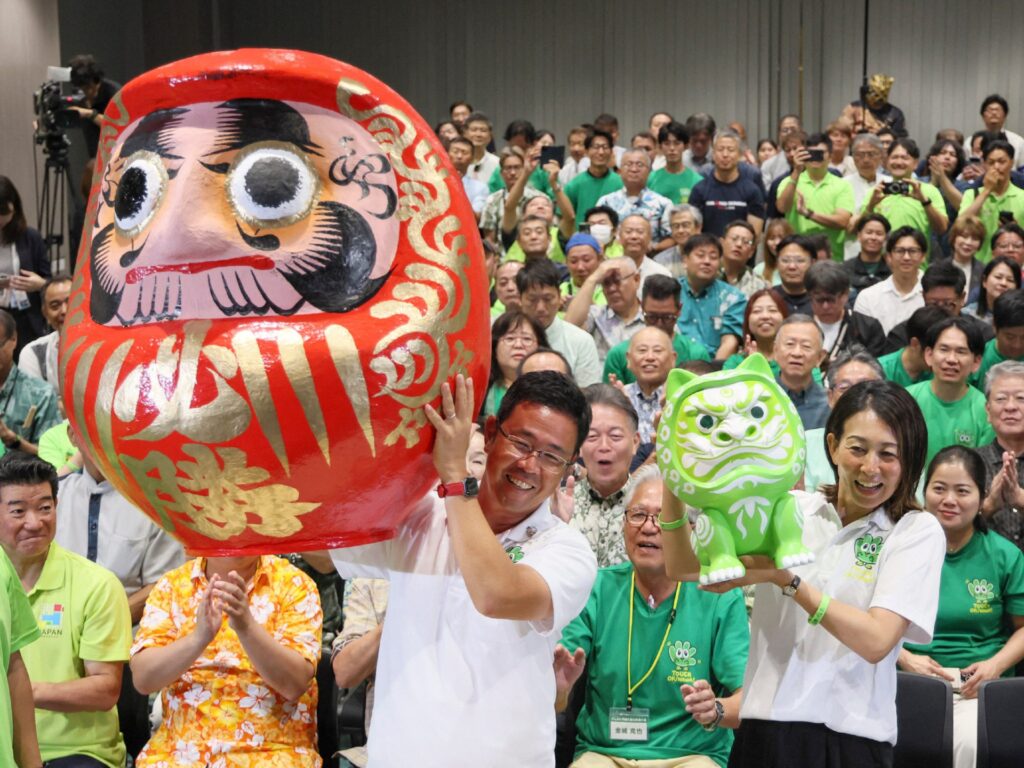
In a significant political development in Okinawa, Japan, Genta Koja, a candidate backed by the Japanese Prime Minister, has won the gubernatorial election. Koja’s victory marks a notable shift in local politics as he defeated the two-term incumbent governor, Denny Tamaki.
Denny Tamaki has been a prominent figure in Okinawa’s political landscape, especially known for his stance on the presence of US military bases on the island. Tamaki campaigned on a platform advocating for the relocation of a major US military base out of Okinawa, reflecting local concerns about the impact of the bases on the island’s environment, safety, and autonomy.
The election was closely watched both in Japan and internationally due to Okinawa’s strategic importance in US-Japan security relations. US military bases in Okinawa have long been a contentious issue, with local residents often expressing opposition due to noise, pollution, and incidents involving military personnel.
Koja’s victory suggests a potential change in the approach towards the US military presence. As a candidate supported by the national government led by Prime Minister Fumio Kishida, Koja is expected to pursue policies more aligned with Tokyo’s stance, which favors maintaining the US military bases as part of Japan’s security alliance with the United States.
The election result may impact the ongoing debates and negotiations regarding the US military facilities on the island. It could lead to renewed efforts to balance national security interests with local concerns, possibly affecting planned relocations or operational changes of the bases.
Analysts view Koja’s win as an indication of Okinawa’s complex political dynamics, where local issues intersect with broader international strategic considerations. The government’s backing of Koja highlights Tokyo’s interest in stabilizing its relationship with Okinawa amid persistent local opposition to US military installations.
The governor’s office in Okinawa plays a key role in local governance and negotiations concerning the US bases. Koja’s administration will have the challenging task of managing both the expectations of Okinawa’s residents and the strategic imperatives of the Japanese government and its ally, the United States.
In summary, the gubernatorial election in Okinawa has brought a new leader to power, Genta Koja, with the support of the Japanese Prime Minister. His victory over Denny Tamaki indicates a shift in local political sentiment regarding the future of US military bases and reflects ongoing tensions between local autonomy and national security policies. The outcome will significantly influence the future trajectory of Okinawa’s relations with Tokyo and Washington, as well as the broader geopolitical landscape in the region.