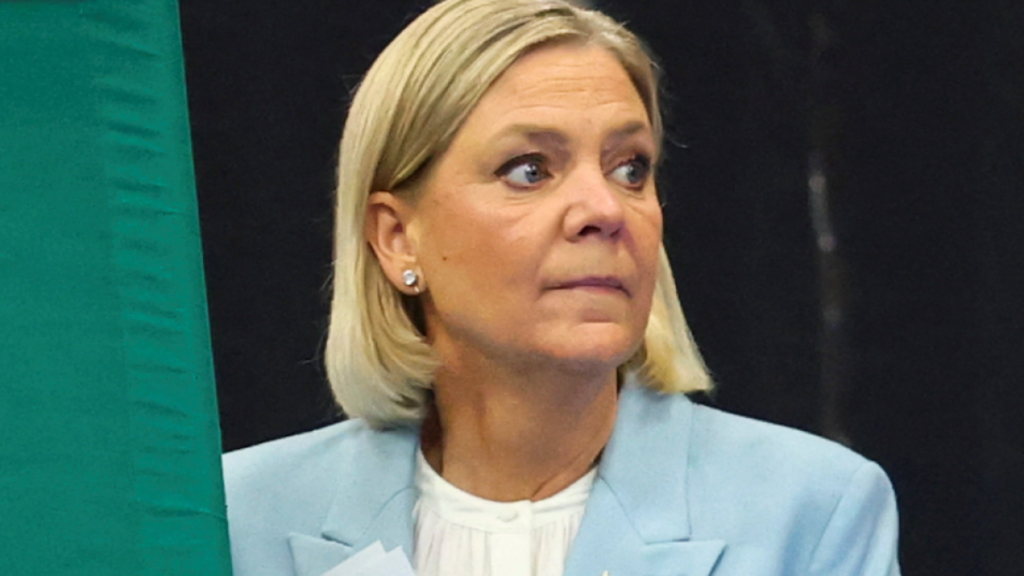
Voting is currently underway in Sweden as the country engages in a tightly contested election that holds significant implications for its political future. At the heart of this election is the prospect of the far-right gaining a foothold in the Swedish government, a development that has attracted widespread attention and concern both domestically and internationally.
The intense electoral battle reflects deep divisions within Swedish society, where issues such as immigration, economic policy, and national identity have become increasingly polarizing. Political analysts note that the far-right, known for its strong stance against immigration and emphasis on national sovereignty, has been gaining momentum in recent years, capitalizing on anxieties about globalization and cultural change.
This election sees traditional parties facing tough competition from far-right movements that challenge the established political order. The far-right’s potential inclusion in government marks a significant shift in Sweden’s political landscape, which has historically been dominated by center-left and center-right parties.
The stakes are high as the election results will influence Sweden’s domestic policies and its position on the international stage. Supporters of the far-right argue that their policies will prioritize Swedish citizens and strengthen national security, while opponents warn of increased social division and the erosion of Sweden’s liberal values.
Voter turnout is expected to be substantial, reflecting the high level of public engagement and the critical nature of the choices facing the electorate. The international community watches closely, aware that Sweden’s political direction could have broader repercussions throughout Europe.
As the votes are tallied, the outcome remains uncertain, but the election undeniably marks a pivotal moment for Sweden and highlights the shifting political dynamics within the country.