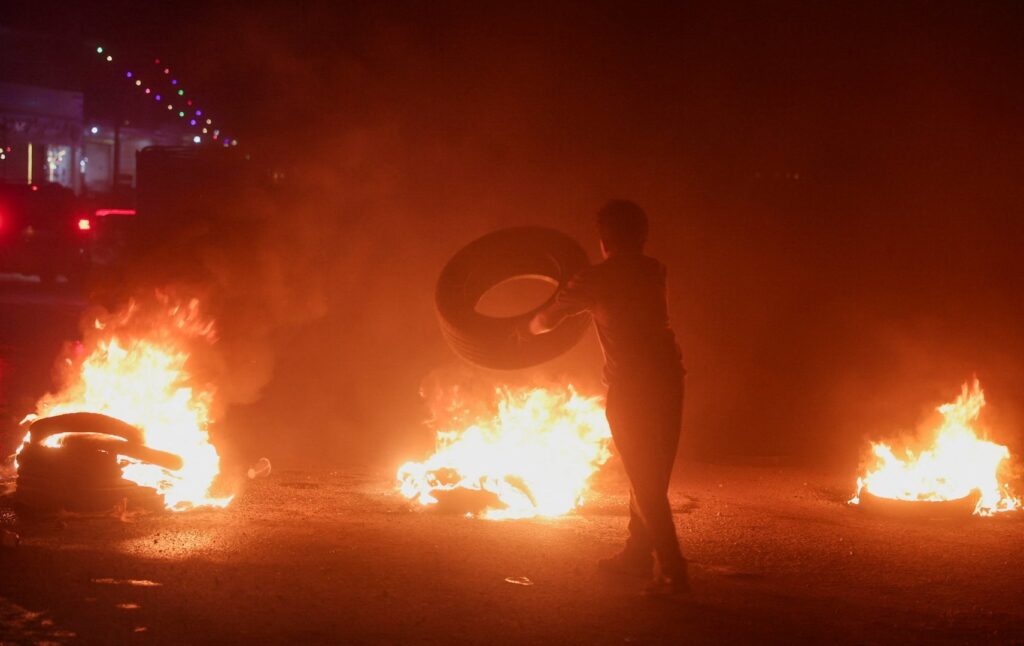
Syria is currently witnessing widespread protests following a significant increase in fuel prices imposed by the government. The hike in fuel costs has caused public outrage, leading to demonstrations in multiple cities across the country. Citizens are expressing their frustration with the rising cost of living, which is exacerbated by the fuel price surge.
The fuel price increase comes amid ongoing economic challenges faced by Syria, including inflation, sanctions, and disruptions to supply chains. For many Syrians, the fuel hike means higher transportation and energy costs, which further strain household budgets already weakened by years of conflict and economic instability.
Protesters have taken to the streets in various provinces, demanding government action to reverse the price increases and implement policies to alleviate the economic burden on ordinary citizens. The demonstrations have been largely peaceful but signify deep dissatisfaction with the economic situation and government policies.
The Syrian government has defended the price hike, citing the need to stabilize the economy and manage fuel supplies amid regional and international pressures. However, critics argue that the timing and scale of the increase could provoke further social unrest.
The situation remains dynamic as authorities monitor the protests and consider potential measures to address public concerns. International observers and humanitarian organizations are closely watching the developments, given the potential implications for Syria’s fragile stability.
This latest wave of protests highlights the ongoing hardships faced by the Syrian population and the challenges inherent in balancing economic reforms with social stability. As the government navigates these pressures, the coming days will be critical in determining the country’s trajectory amid a backdrop of longstanding conflict and economic adversity.