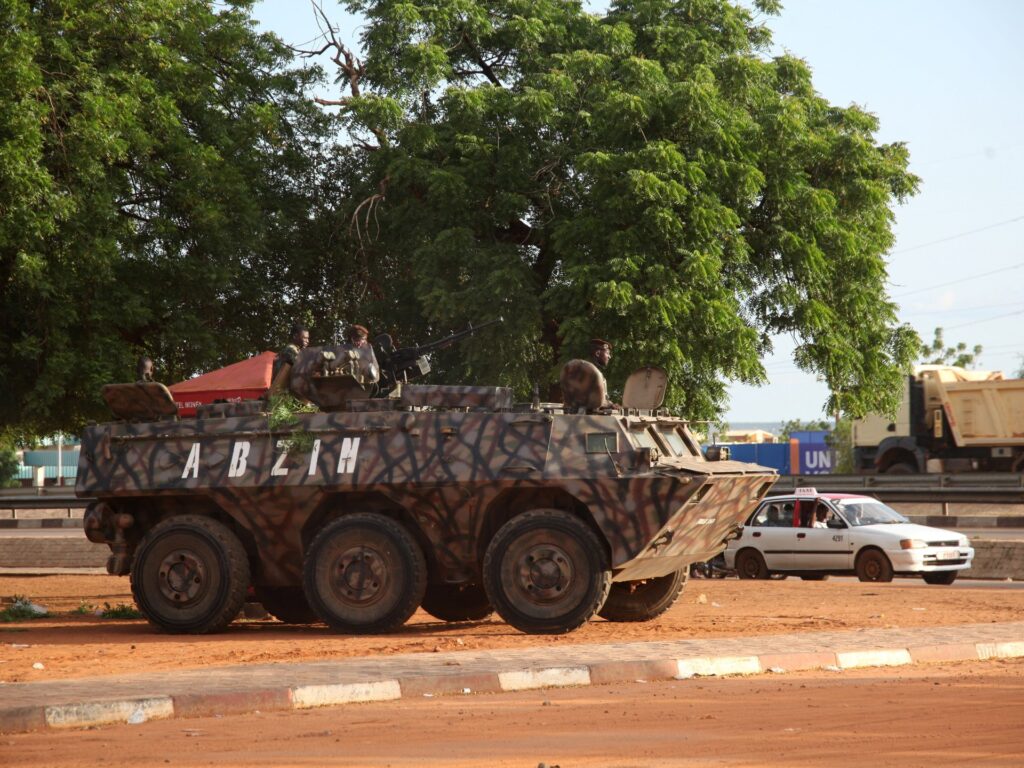
The recent mutiny in Niger has brought to light the underlying tensions within the country’s military and highlighted the shifting geopolitical dynamics in the Sahel region. This attempted power grab by factions in the Nigerien army signals not only internal unrest but also the strategic realignment of Niger towards new international partnerships, notably with Russia.
Niger, a country strategically located in West Africa, has long been an area of interest for both Western powers and emerging global players. Traditionally, the nation has maintained close ties with its Sahelian neighbors and Western allies, especially France, which has had a significant military presence in the region. However, dissatisfaction within the Nigerien military has gradually grown, fueled by economic challenges, governance issues, and perceived foreign interference.
The mutiny revealed fractures inside the armed forces, with some soldiers voicing discontent over leadership and calling for a change in direction. This internal discord was compounded by the broader regional instability, where extremist groups continue to pose serious threats.
In this context, Niger’s increasing outreach to Russia is particularly noteworthy. Moscow has been actively seeking to expand its influence in Africa, offering military support, training, and economic partnerships. Unlike Western actors, Russia presents itself as a no-strings-attached partner, appealing to countries seeking alternative alliances.
The mutiny has tested Niger’s relationships with its traditional Sahelian allies such as Mali, Burkina Faso, and Chad, many of which have themselves experienced coups or power struggles. These countries are also navigating a complex landscape of external influence, with Russia and China emerging as key players alongside Western nations.
Niger’s growing reliance on Russia indicates a shift in the regional power balance. Russian military assistance, including the provision of private military contractors, has been increasingly visible in the Sahel. This presence is a source of contention and complicates efforts to stabilize the region.
Moreover, the mutiny underscores the challenges faced by the current Nigerien government in managing both internal security and foreign relations. Balancing ties with Russia and Western allies requires diplomatic finesse, as Niger aims to secure support without alienating critical partners.
The attempted coup also highlights the fragile state of democracy in Niger. Despite being one of the few Sahelian countries with relatively stable civilian governance, the country’s political landscape remains vulnerable to military intervention.
Experts suggest that unless the grievances within the Nigerien military are addressed and the country finds a sustainable security strategy, the prospect of future unrest looms large. This situation could further accelerate Niger’s pivot towards Russia, potentially reshaping the geopolitical contours of the Sahel.
In conclusion, the Niger mutiny serves as a stark reminder of the evolving dynamics in West Africa. It exposes the deep-rooted challenges within Niger’s military, the complexities of Sahelian alliances, and the increasing influence of Russia in the region. How Niger navigates this turbulent period will have significant implications for regional stability and international diplomatic relations.