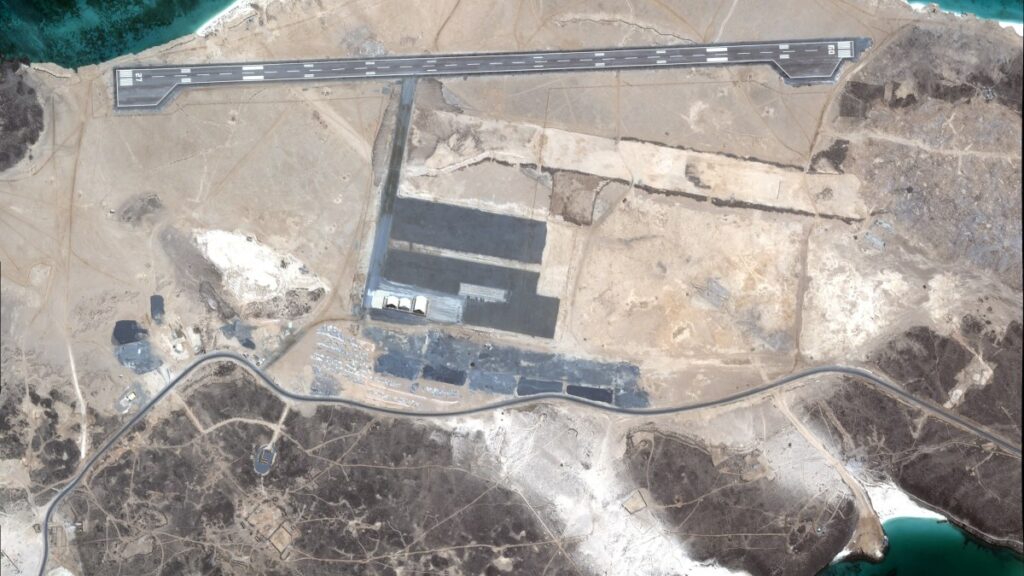
In a significant development in the ongoing conflict dynamics in Yemen, the Iran-backed Houthi movement has seized control of Mayun Island, a strategic location in the Bab al-Mandeb strait. This move by the Houthis consolidates their presence in a crucial maritime chokepoint that links the Red Sea to the Gulf of Aden and the Arabian Sea, thereby influencing international shipping routes and regional security balances.
Mayun Island, part of the Socotra Archipelago, holds immense strategic importance due to its position at the southern entrance of the Red Sea. Control over this island allows for potential oversight and influence over one of the world’s most trafficked maritime passages, essential for global trade and energy supplies, especially oil shipments from the Persian Gulf to Europe and North America.
The seizure of Mayun Island by the Houthis marks a tactical victory that boosts their leverage against the Saudi-led coalition, which has been involved in Yemen since 2015, backing the internationally recognized government against the Houthi insurgency. The island’s location near the Bab al-Mandeb enables the Houthis to potentially disrupt maritime navigation and impose a new dimension of threat to the coalition’s maritime operations and economic routes.
However, holding Mayun Island in the long term poses significant challenges for the Houthis. The island’s remote location makes it difficult to sustain with necessary supplies and reinforcements without facing interference or blockade efforts by Saudi-led naval forces or their allies. The coalition’s superior military and naval capabilities could pose constant pressure, complicating the Houthis’ ability to fortify and maintain a robust presence on the island.
Moreover, the geopolitical implications of the Houthis controlling a pivotal maritime route have attracted international attention. Several global powers have vested interests in the security of the Bab al-Mandeb strait, promoting a cautious approach and possibly increasing naval patrols and security initiatives in the region to prevent escalation and ensure free navigation.
The Houthis’ control of the island also impacts local populations and the broader humanitarian situation in Yemen. The ongoing conflict has already devastated the country, and the struggle for strategic locations like Mayun Island could exacerbate instability and complicate humanitarian aid delivery.
International diplomatic and security frameworks may need to consider this new geographic reality, integrating the presence of the Houthis into future peace talks and conflict resolution strategies. The ability of the Houthis to hold Mayun Island will consequently not just be a matter of military might but also of international political negotiations and regional security policies.
In conclusion, while the capture of Mayun Island is a strategic and symbolic victory for the Iran-backed Houthis, the complexities of maintaining control in a geopolitically sensitive and militarily contested area will test their endurance and adaptability. How this situation evolves will have significant implications for regional security, maritime commerce, and the future of Yemen’s protracted conflict.