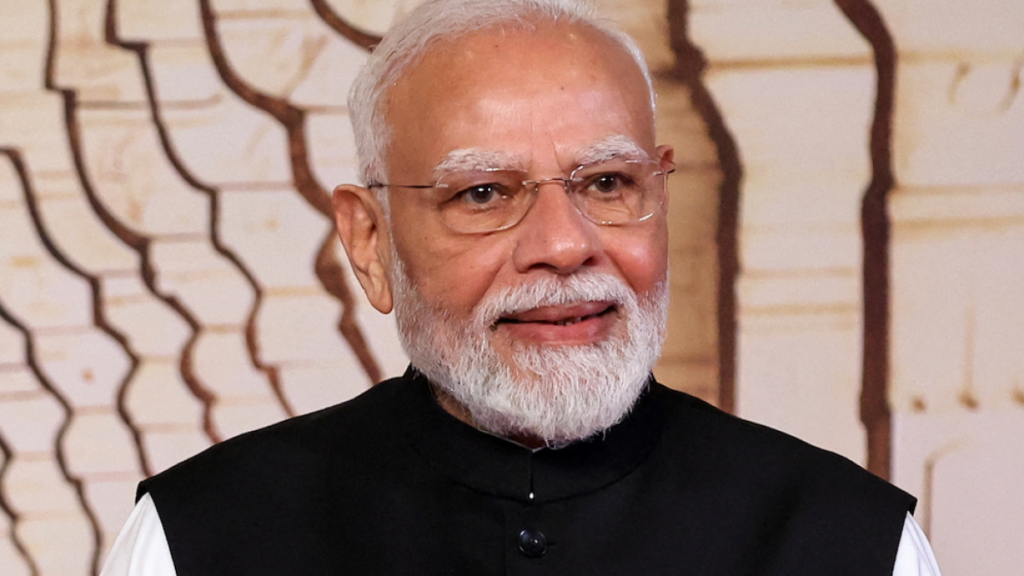
During the recent BRICS Summit, India’s Prime Minister Narendra Modi made a compelling call for an overhaul of global governance, emphasizing the need for the empowerment of the Global South. Modi highlighted the importance of creating a more inclusive and equitable world order that better represents the interests of emerging economies and developing nations.
Prime Minister Modi’s address underscored the disparities in global decision-making bodies where countries from the Global South often find themselves underrepresented. He advocated for institutional reforms that would give these nations greater voice and influence in international affairs, particularly in economic and political spheres.
The BRICS Summit, which brings together Brazil, Russia, India, China, and South Africa, served as a platform for Modi to push for solidarity among developing countries. He stressed that cooperation among BRICS nations could pave the way for a more balanced global governance framework.
Modi’s call also touched upon the need for fairer international trade practices, access to technology, and equitable distribution of resources, all pivotal issues for the Global South. He argued that empowering these nations is crucial for addressing global challenges such as poverty, climate change, and sustainable development.
Experts believe that Modi’s standpoint reflects a growing sentiment among developing countries seeking to assert their role in shaping the world order amidst shifting geopolitical dynamics. By advocating for reforms, India aims to contribute to the creation of a more just and stable international system.
The Prime Minister’s remarks received support from several BRICS leaders, signaling a shared commitment to strengthening the voice of developing nations on the global stage. This collective stance is expected to influence future discussions in global forums such as the United Nations and the World Trade Organization.
In conclusion, Modi’s call at the BRICS Summit for the empowerment of the Global South highlights a significant push towards reimagining global governance. His vision advocates for an inclusive world where emerging economies play a central role in decision-making processes, ultimately fostering a more balanced and equitable global community.