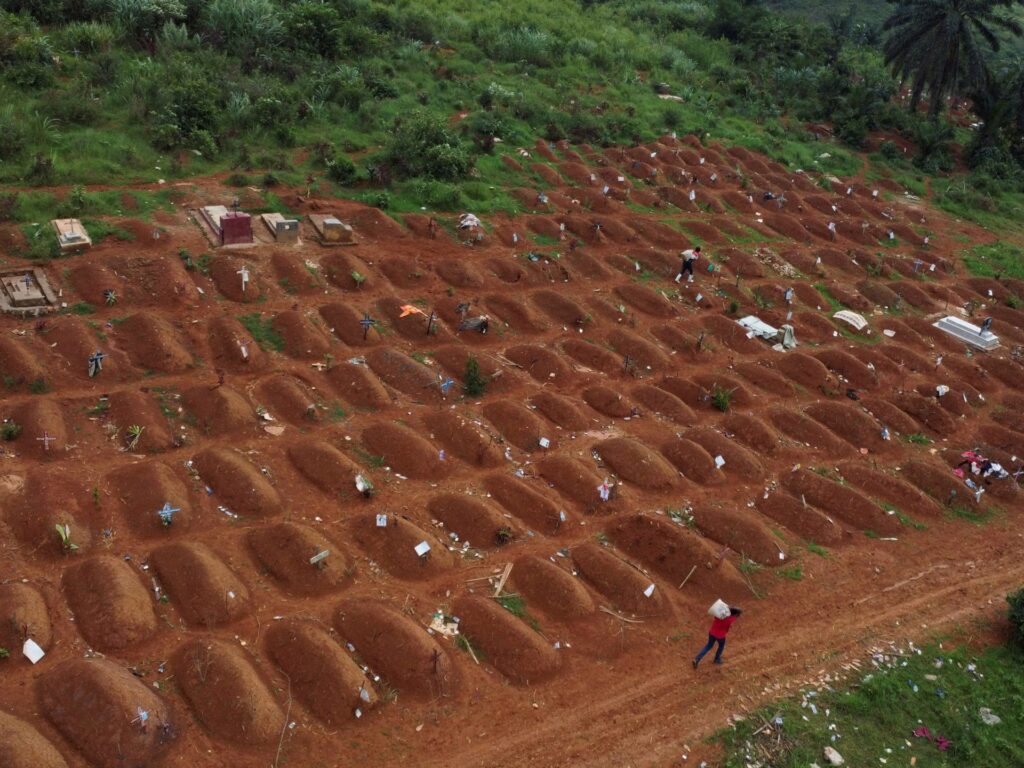
The Democratic Republic of Congo (DRC) is grappling with its worst Ebola epidemic on record, as reported cases have exceeded 7,000, making it the largest outbreak the country has experienced. This significant health crisis first emerged in mid-May when the rare Bundibugyo strain of the Ebola virus was detected. Since the outbreak began, the epidemic has caused a devastating toll with nearly 3,400 deaths, highlighting the severe impact on affected communities and the urgent need for intensified response efforts.
The Bundibugyo virus is one of the lesser-known strains of Ebola but is highly infectious and deadly, similar to other variants of the virus. The spread in the DRC has posed considerable challenges to healthcare workers and authorities, who have been working tirelessly to contain the epidemic through vaccination campaigns, treatment centers, and public awareness programs.
The rise in cases has overwhelmed health infrastructure in many parts of the country, impairing access to routine medical care and increasing the risk of other infectious diseases spreading. The situation has demanded international support, with organizations such as the World Health Organization (WHO) and various non-governmental organizations providing critical assistance to bolster local response capabilities.
Ebola outbreaks have long been a public health challenge in Central Africa due to the region’s ecological and socioeconomic factors. The DRC, with its vast forests and complex health infrastructure, is particularly vulnerable. Historically, previous outbreaks have been contained through coordinated global and national efforts, but the scale of the current epidemic underscores the difficulties in managing such a fast-moving and deadly virus.
Authorities continue to emphasize the importance of vaccination, contact tracing, and community engagement to halt transmission. Efforts to educate the public on hygiene practices and safe burial procedures have also been intensified. Despite these measures, the virus continues to surge in certain areas due to logistical challenges, conflict, and community resistance.
Experts warn that the prolonged nature of the outbreak could further strain resources and lead to more deaths if not decisively controlled. They advocate for sustained funding, deployment of additional medical personnel, and improved access to remote regions to ensure that epidemics can be managed effectively.
International cooperation remains pivotal in controlling Ebola in the DRC. The widespread nature of the outbreak and its human toll emphasize the necessity for a global health security approach to prevent further spread and eventual eradication of the virus strain. Lessons from this epidemic are expected to guide future responses to Ebola and other emerging infectious diseases.
With over 7,000 cases and nearly 3,400 fatalities, the current Ebola epidemic in the DRC represents a significant humanitarian and health challenge that demands continued vigilance, resources, and solidarity from both national and international communities to bring the crisis under control and safeguard populations from future outbreaks.