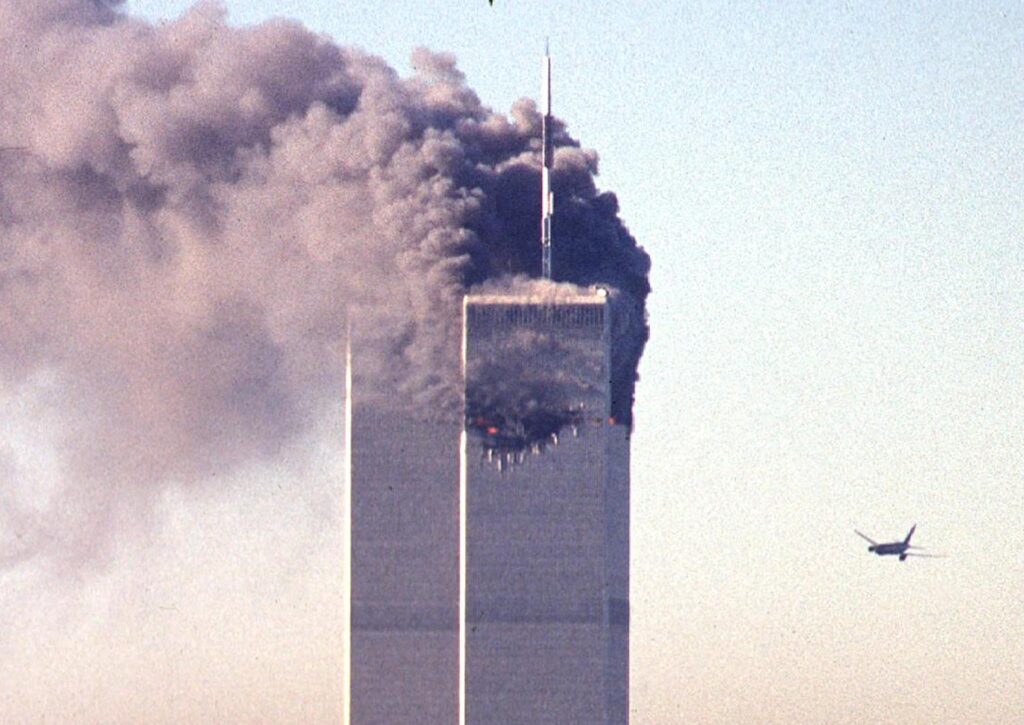
In a significant move, the CIA has released dozens of declassified documents that provide deeper insights into Osama bin Laden and the operations of al-Qaeda. These documents, spanning several years before the tragic events of September 11, 2001, reveal the agency’s early understanding of bin Laden’s intentions and threats against the United States.
One of the most revealing pieces of information comes from a 1998 briefing to then-President Bill Clinton. The briefer informed the president that bin Laden’s ‘preferred option is to strike the US on its own soil in Washington.’ This chilling prediction, made years before the 2001 attacks, underscores the long-standing awareness within intelligence circles about the danger posed by al-Qaeda.
The declassified materials include intelligence reports, internal communications, and strategic assessments that outline bin Laden’s evolving tactics and the growing network of al-Qaeda. These documents detail the organization’s recruitment strategies, training camps, and previous attacks or attempts to target U.S. interests worldwide.
Additionally, the papers shed light on the challenges faced by the CIA and other intelligence agencies in tracking and countering the threat. Despite gathering considerable intelligence, bureaucratic hurdles and inter-agency coordination problems often hampered effective preventive action.
Experts believe that the release of these documents will contribute to a more comprehensive understanding of the early warnings that were available but not fully acted upon. The information may also lead to renewed discussions about intelligence reforms and the importance of preparedness against terrorist threats.
The CIA’s decision to declassify these documents comes amid calls from historians, policymakers, and the public for greater transparency about the events leading up to 9/11. It allows for a better grasp of how intelligence evolved over time and the critical decisions made by national security officials during a turbulent period.
While some details remain redacted to protect sources and ongoing operations, the bulk of the content provides a stark reminder of the persistent threats that shaped U.S. national security policies. Analysts suggest that understanding these historical contexts can inform current counterterrorism strategies.
The release also honors the memory of those who lost their lives in terrorist attacks by ensuring that lessons from the past inform future defenses. It highlights the ongoing commitment of intelligence agencies to adapt and improve in the face of new challenges.
In conclusion, the newly released CIA documents offer a detailed look into the pre-9/11 intelligence landscape, emphasizing that bin Laden’s threat was known and articulated years in advance. This knowledge is crucial in preventing similar tragedies and reinforcing the vigilance necessary to protect national safety.