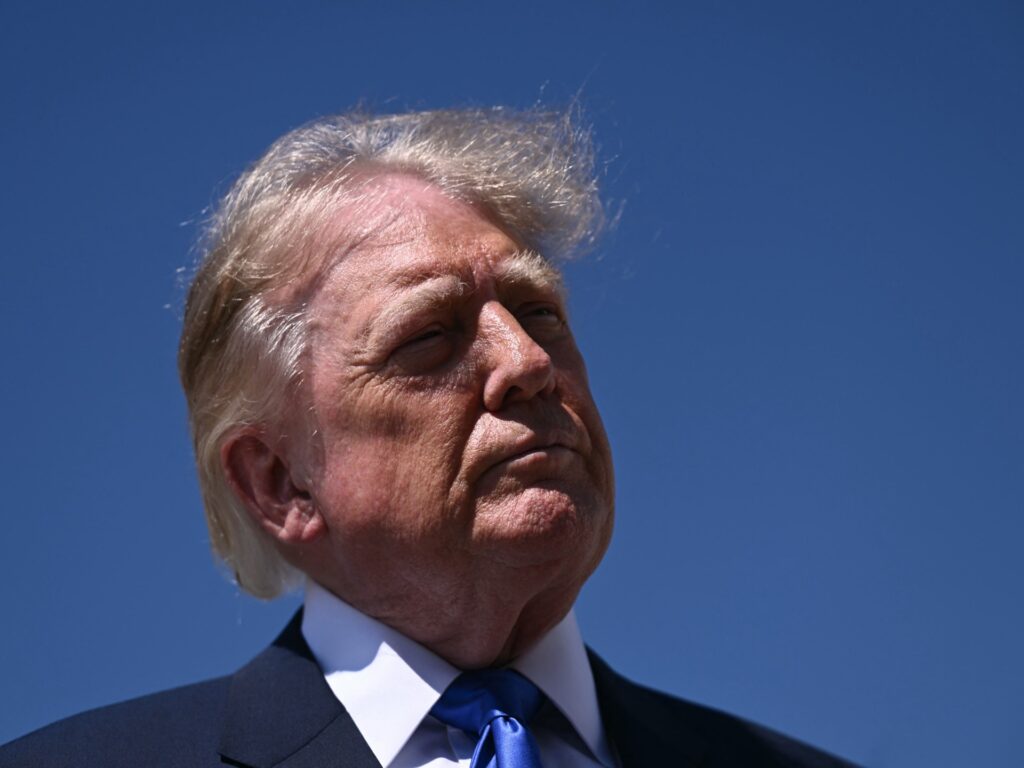
In a recent declaration, former President Donald Trump stated that any war with Iran would ‘end immediately’ following the U.S. midterm elections. Trump’s comments come amid ongoing tensions and the recent failure of ceasefire negotiations between the United States and Iran. He emphasized that the U.S. is not currently seeking to restart diplomatic talks with Iran, pointing to the unsuccessful history of previous negotiation attempts.
Trump’s assertion suggests a strategic view tied to the outcome of the midterm elections, implying that changes in the political landscape might influence the dynamics of conflict or peace with Iran. His stance reflects a hardline approach, prioritizing a firm posture rather than engagement in dialogue.
The background to these comments includes a series of complicated interactions between the U.S. and Iran, notably surrounding nuclear agreements, sanctions, and regional security issues. Past ceasefires have failed to produce lasting peace, leading to skepticism about the prospects for renewed negotiations.
Trump’s remarks also indicate a broader political narrative that defends assertive policies towards Iran. The suggestion that any conflict would end quickly after the midterms implies confidence in the U.S. military or political strategy to resolve tensions decisively.
This statement comes at a time when the international community is closely watching developments in the Middle East, where any escalation could affect global stability and energy markets. The U.S. midterm elections are a crucial moment that could reshape congressional control and influence foreign policy decisions.
Observers note that Trump’s comments may also be aimed at domestic audiences, reinforcing his image as a strong leader on national security issues. His refusal to seek new negotiations highlights a preference for pressure tactics over diplomacy with Iran.
Overall, the situation remains fluid, with high stakes involved. The U.S. administration’s approach after the midterm elections will be critical in determining the future of U.S.-Iran relations and the broader geopolitical equilibrium in the region.