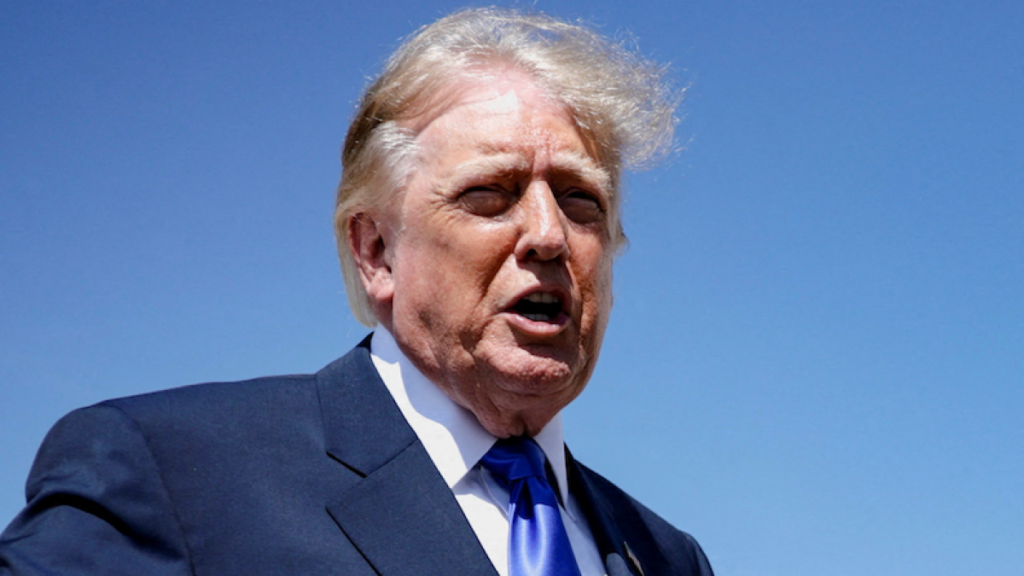
Former US President Donald Trump has stated that Russian President Vladimir Putin is interested in negotiating a deal to end the ongoing war in Ukraine. Trump, known for his outspoken and often controversial political views, made this assertion amid continued conflict between Russia and Ukraine that has drawn global attention and condemnation.
The war in Ukraine, which began in 2014 and escalated dramatically in 2022 with Russia’s large-scale military invasion, has resulted in significant international sanctions on Russia and widespread devastation in Ukraine. Diplomatic efforts to resolve the conflict have been ongoing, but a comprehensive peace deal has yet to be reached.
Trump’s remarks suggest a possible shift in Putin’s stance toward seeking a resolution, potentially opening the door for new diplomatic discussions. However, details about what kind of deal Putin might be willing to consider remain unclear, as the Kremlin has not publicly confirmed any such intentions.
The global community has been watching the situation closely, with many nations advocating for a peaceful resolution to restore stability in the region. Various Western countries have backed Ukraine with military aid and economic support to counter Russian aggression.
Experts and analysts are cautious about Trump’s claim, noting that Putin’s motivations and strategies can be complex and influenced by many factors, including domestic politics in Russia, international pressure, and military considerations.
The implications of a potential deal, if it materializes, could be significant for European security and global geopolitical dynamics. Peace in Ukraine would relieve humanitarian suffering and potentially lead to a normalization of relations between Russia and the West.
As the conflict continues, all eyes remain on diplomatic channels and leader statements for signs of progress toward ending the war. Trump’s announcement adds a new dimension to the conversation, emphasizing the importance of ongoing dialogue and negotiation in resolving one of the 21st century’s most challenging conflicts.