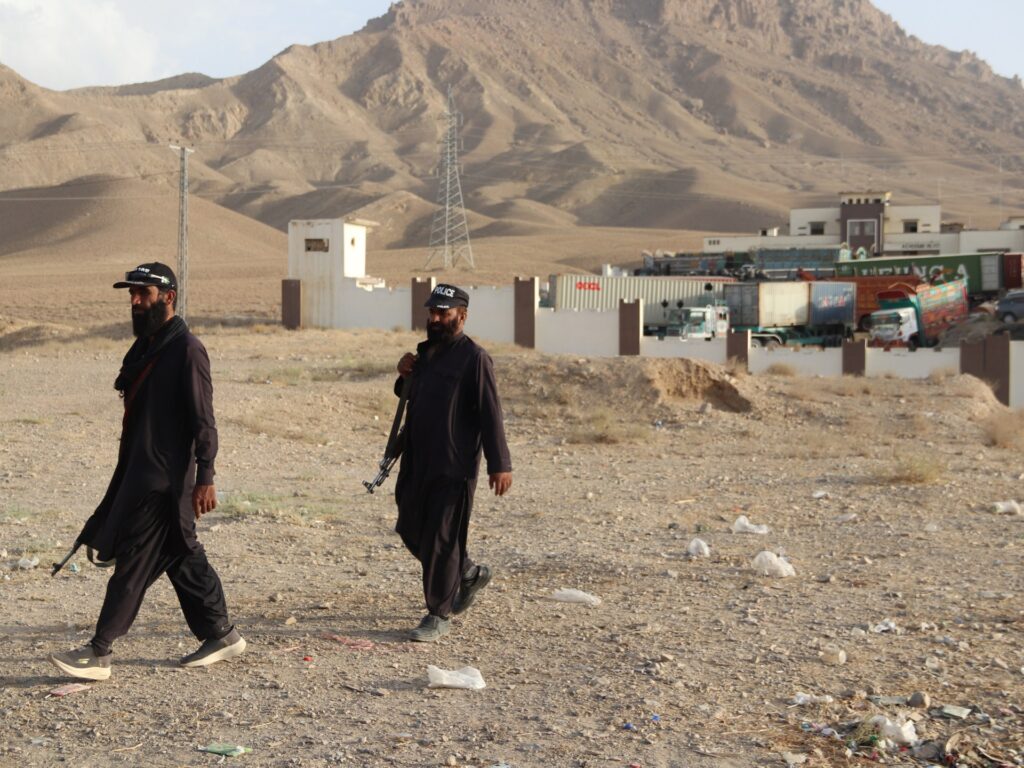
Pakistan is grappling with a new wave of violence as attacks surge in the Pashtun-majority areas of Balochistan. This development marks a worrying expansion of conflict in a region already troubled by unrest, raising concerns about a potentially widening rebellion.
Balochistan, Pakistan’s largest province by area, has long been a hotspot for insurgent activity primarily driven by Baloch nationalist groups demanding greater autonomy and control over local resources. However, recent escalations in the Pashtun regions of the province signal a shift in the dynamics of violence.
The Pashtun districts, traditionally not the epicenter of the Baloch insurgency, have witnessed a notable increase in attacks targeting security forces, government officials, and infrastructure. This surge is attributed to multiple factors, including ethnic tensions, militant group activities, and possible cross-border influences from neighboring Afghanistan.
Experts warn this trend could indicate the emergence of a broader front of conflict involving Pashtun communities, complicating Pakistan’s security landscape. The intertwining of ethnic identities and militant agendas in Balochistan underscores the complexity of the rebellion and poses significant challenges for law enforcement and policy makers.
Local sources report an uptick in militant recruitment among Pashtun youth, exacerbated by economic disenfranchisement and political grievances. This has led to increased incidents of bombings, targeted killings, and clashes with security personnel, instilling fear among the civilian population.
The Pakistani government has responded with enhanced military operations and efforts to engage tribal leaders in peace initiatives. Nonetheless, the persistence and spread of violence suggest that a purely militaristic approach may be insufficient to restore stability.
Analysts emphasize the need for comprehensive strategies combining development programs, political dialogue, and community engagement to address the root causes of discontent. The situation in Balochistan’s Pashtun areas highlights the importance of inclusive governance and equitable resource distribution to mitigate ethnic and regional grievances.
International observers are also watching closely, given Balochistan’s strategic significance and its impact on regional security. The province’s long coastline and resource wealth make it a focal point for both domestic power struggles and foreign interest.
As Pakistan confronts this new frontier of conflict, the government faces the dual challenge of countering insurgency while fostering social cohesion among diverse ethnic groups. The unfolding crisis in Balochistan’s Pashtun districts serves as a stark reminder of the fragile peace and the urgent need for renewed efforts toward lasting reconciliation and development.