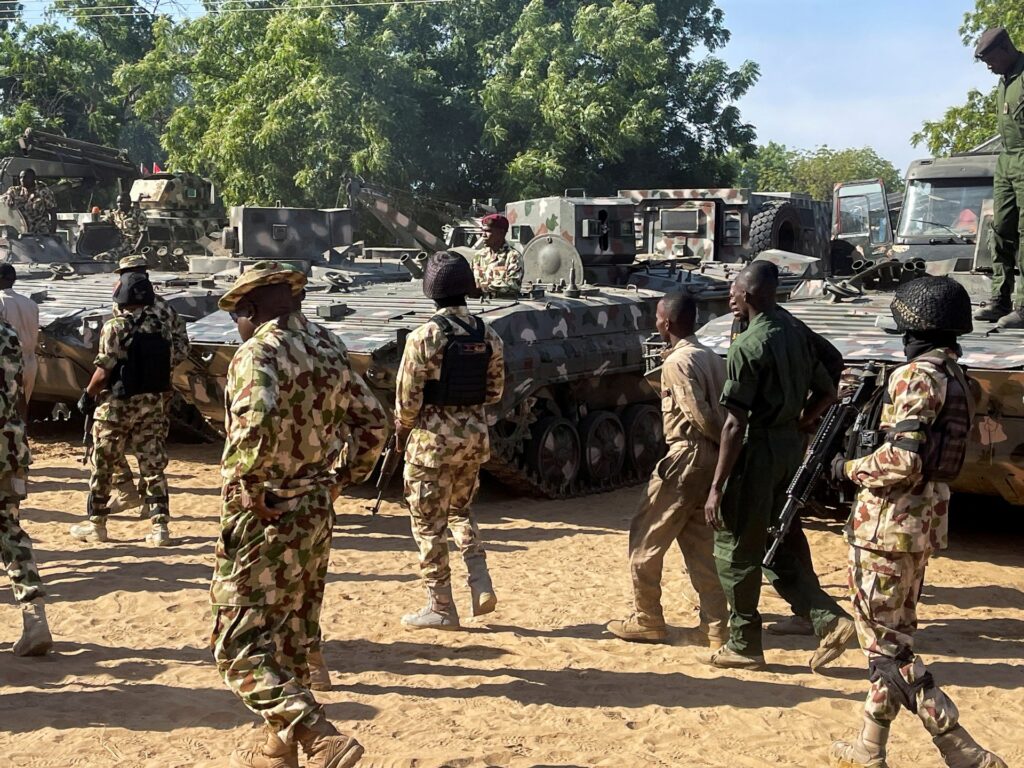
In a significant development in the ongoing conflict in northeastern Nigeria, the Nigerian government and the Islamist militant group Boko Haram have reportedly agreed to a secret three-month ceasefire. This truce marks a rare pause in violence that has ravaged the region for over a decade, causing immense humanitarian and security challenges.
The reported ceasefire comes in the wake of the release of 360 villagers who had been abducted during a brutal Boko Haram attack. The release of these captives has been seen as a positive step towards reducing hostilities and building some level of trust between the two parties.
Boko Haram, which has waged a violent insurgency since 2009, has been responsible for thousands of deaths and the displacement of millions of people in northeastern Nigeria and neighboring countries. The group’s tactics have included mass kidnappings, bombings, and attacks on both civilians and military targets.
The Nigerian government has struggled to contain the insurgency, deploying military forces and seeking international assistance to combat the militants. Despite significant efforts, Boko Haram remains a formidable threat with splinter factions continuing violence.
The specifics of the ceasefire have not been publicly disclosed, but sources close to the negotiations suggest that both sides have mutually agreed to halt offensive operations for three months in hopes of opening the door to more comprehensive peace talks.
Local communities in the affected areas have expressed cautious optimism about the ceasefire. For years, civilians have borne the brunt of the conflict, enduring attacks, displacement, and severe hardships. A break in fighting could allow for humanitarian aid to reach vulnerable populations and provide some relief.
Experts warn, however, that ceasefires with Boko Haram have historically been fragile, sometimes serving as a pause rather than a path towards lasting peace. There remain significant challenges including deep mistrust, ideological differences, and the presence of multiple armed groups.
The Nigerian government faces pressure from both domestic and international actors to capitalize on this opportunity for peace. Civil society organizations are calling for transparent dialogue, accountability for past atrocities, and efforts to address the root causes of the insurgency such as poverty, unemployment, and political marginalization.
If sustained, this ceasefire could signify a turning point in a conflict that has devastated northeastern Nigeria and the broader Lake Chad Basin region. The international community continues to monitor the situation closely, hoping that negotiations can lead to a durable resolution and improved security for millions of people.
In summary, the reported secret ceasefire between Nigeria and Boko Haram, alongside the release of 360 abducted villagers, represents a cautiously hopeful moment amidst a prolonged and brutal conflict. Ensuring all parties uphold the truce and move towards meaningful negotiations will be critical in the coming months to securing peace and stability in the beleaguered region.