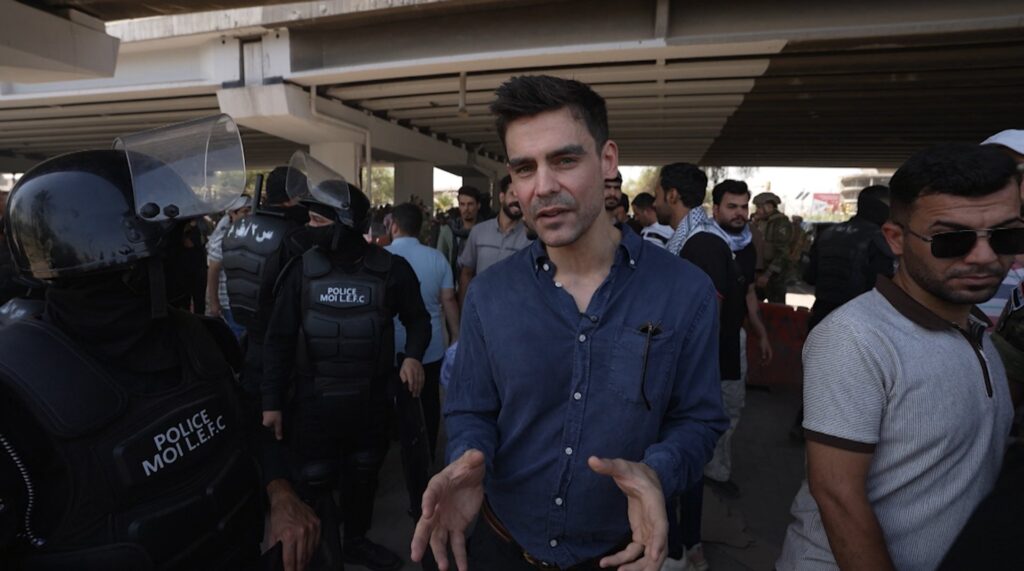
In Baghdad, more than 1,000 graduates from medical and health disciplines have gathered in protest, demanding government employment opportunities. The protesters are highlighting the growing unemployment crisis that has severely affected recent graduates across Iraq.
These demonstrations come amid difficult economic conditions and a sluggish job market, where many graduates find themselves unable to secure positions relevant to their fields despite their qualifications. The protestors have carried banners and voiced concerns about their uncertain futures.
The unemployment crisis in Iraq has been exacerbated by multiple factors, including economic instability, political challenges, and the ongoing effects of regional conflicts. Graduates from various sectors, especially in health and medical fields, face significant challenges in finding public sector jobs, which are traditionally the primary source of employment for many specialists in the country.
The Iraqi government has been urged to address the growing unrest by implementing policies that promote job creation and provide support for young professionals entering the workforce. Calls for reform in the public employment sector and expansion of job opportunities have become louder as protests continue.
The health sector, being critical in any country, is particularly impacted by this shortage of jobs for newly graduated professionals, potentially affecting service delivery and public health outcomes. The graduates’ demands are centered around securing stable and adequate employment to not only support themselves but also to contribute meaningfully to Iraq’s healthcare systems.
These protests reflect a larger trend among Iraqi youth, who are increasingly frustrated with high unemployment rates and limited economic opportunities. Many young people resort to protests and social movements to express their grievances and seek attention from policymakers.
Experts note that addressing this challenge requires coordinated efforts between the government, private sector, and international partners to create sustainable economic growth and job opportunities. Investment in education, vocational training, and entrepreneurship could provide alternative pathways for graduates to integrate into the labor market.
As protests continue in Baghdad, there is a growing call for immediate government dialogue with the protesting graduates to ease tensions and work on practical solutions. The situation remains critical, underlining the need for urgent economic reforms and targeted employment programs to prevent further unrest.
The ongoing crisis also highlights the importance of structural reforms in Iraq’s job market and public sector recruitment policies to accommodate the increasing number of qualified graduates seeking employment. Without effective intervention, the country risks losing a generation of professionals whose skills are vital for national development.
In summary, the protest by over 1,000 medical and health graduates in Baghdad is a stark signal of Iraq’s broader unemployment challenges. The demand for government jobs amid economic and political hurdles captures the urgent need for comprehensive strategies to support young professionals and stabilize the nation’s socio-economic fabric.