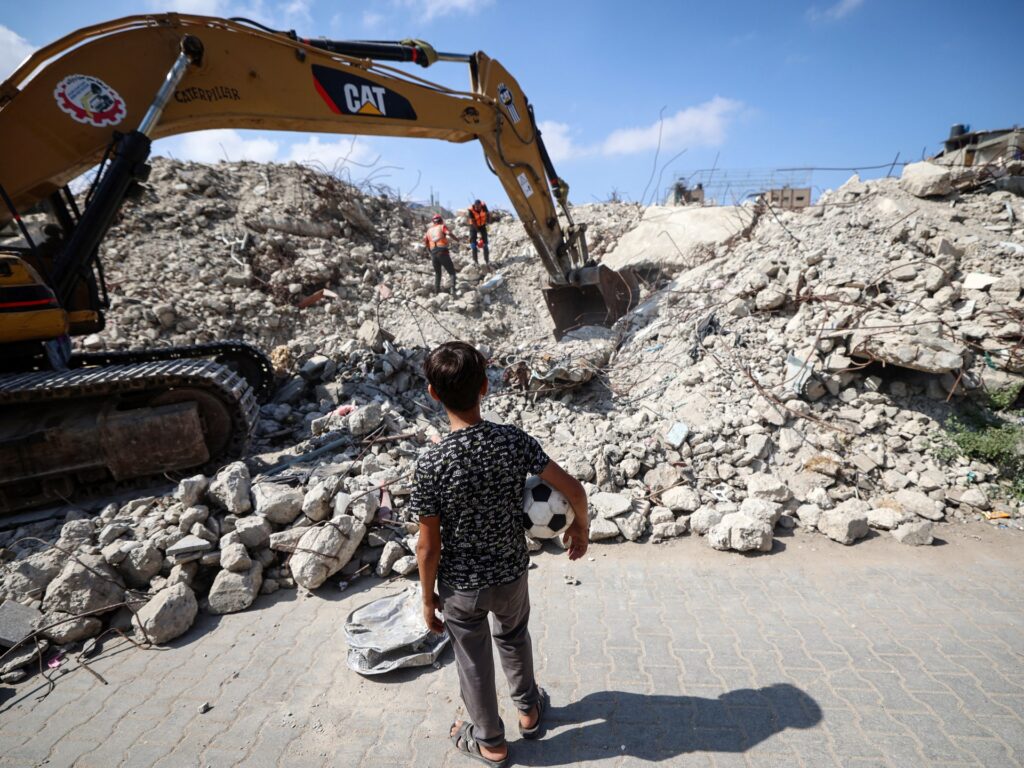
In a recent development concerning the conflict in Gaza, a UN human rights rapporteur has expressed grave concern over Israel’s removal of rubble from the Gaza Strip. The concern centers on the potential erasure of crucial evidence related to alleged war crimes. This issue takes on added gravity against the backdrop of a landmark 2024 order from the International Court of Justice (ICJ).
The ICJ’s directive explicitly instructed Israel to take all necessary measures to prevent the destruction or alteration of any evidence that could be pertinent to war crimes investigations. This includes material evidence found in rubble and debris resulting from military operations. However, ongoing rubble removal activities carried out by Israeli authorities have sparked alarm among human rights experts and the international community about possible interference with these critical investigations.
The UN rapporteur highlighted that rubble from bombed and destroyed infrastructure in Gaza carries immense evidentiary value. It can provide forensic insights into the nature of attacks, the weapons used, and whether there were breaches of international humanitarian law. Destroying or removing such rubble prematurely risks losing irreplaceable proof that could clarify the circumstances surrounding civilian casualties and alleged violations.
Israel’s rationale for rubble clearance has been framed around humanitarian and logistical concerns, including addressing public health risks and facilitating reconstruction efforts. Nevertheless, experts stress that such operations must be carefully balanced with legal obligations under international law, including preserving potential war crimes evidence.
This controversy underscores the broader complexities faced in conflict zones where evidence preservation is critical for accountability and justice. The ICJ order serves as a crucial reminder that despite the pressing demands of wartime exigencies, adherence to legal standards remains imperative.
The international community continues to watch closely as this issue develops. Calls have been made for transparent procedures to ensure that any rubble removal is conducted with oversight from independent observers who can safeguard investigative interests.
Failure to protect this evidence could hinder ongoing and future prosecutions of alleged war crimes, affecting the pursuit of justice for victims of the Gaza conflict. The situation exemplifies the delicate balance needed between immediate post-conflict recovery and long-term legal accountability.
In conclusion, the UN rapporteur’s warnings and the ICJ’s 2024 order together highlight the essential need for Israel and all parties involved to uphold international legal standards in managing conflict aftermaths. Preserving war crimes evidence is not only a legal obligation but a moral imperative to ensure accountability and deter future violations.