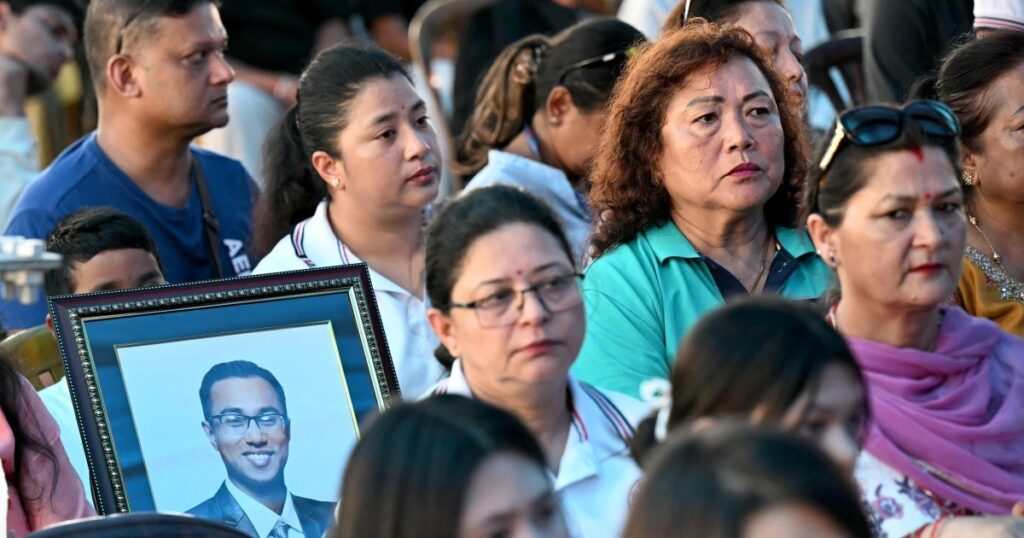
It has been one year since Nepal witnessed a significant wave of youth protests, primarily led by Generation Z activists. These protests erupted as a response to widespread dissatisfaction with systemic corruption, lack of governmental transparency, and poor governance that many young people felt was stifling the country’s progress. The demonstrations, marked by young citizens taking to the streets in cities and towns across Nepal, culminated in a leadership change within the government, raising hopes for a new chapter of reform and accountability.
During the protests, Gen Z articulated a clear set of demands, including stronger anti-corruption measures, increased political accountability, improved educational opportunities, and more inclusive economic policies that could better serve Nepal’s diverse and youthful population. The movement also sought to amplify the voices of marginalized communities and push for greater representation in political decision-making processes.
In the year following these protests, several changes have been noted. The government has introduced new legislation aimed at enhancing transparency and tightening regulations around the use of public funds. Anti-corruption agencies have been given more autonomy and resources to investigate and act on complaints. Educational reforms targeting curriculum updates and access improvements have also been initiated, although progress has been gradual.
Despite these efforts, many young Nepalese remain skeptical about the depth and sustainability of these reforms. Critics argue that while the leadership change was a symbolic victory, many entrenched interests within the political system continue to resist meaningful change. Instances of corruption still surface, and the pace of economic and social development has yet to meet the high expectations of the youth.
Moreover, the challenges faced by marginalized groups persist, with calls for more systemic change continuing to echo through civil society. The government is under increased pressure to engage more directly with youth activists and ensure that future policies reflect their priorities more consistently.
In conclusion, while Gen Z’s demands have sparked noticeable political and social shifts in Nepal, the journey toward fully realizing these ambitions remains ongoing. The protests have undeniably energized Nepal’s youth and brought urgent issues to the forefront, but achieving lasting change will require continued activism, government accountability, and societal commitment to reform. One year on, the spirit of the protests lives on, inspiring a cautious optimism among young Nepalis for a more equitable and transparent future.