A significant disruption to UK air traffic occurred recently due to a technical fault at air traffic control provider NATS, leading to hundreds of flight delays and cancellations across the country. The glitch caused widespread chaos in the skies, affecting both domestic and international flights, impacting travelers trying to reach their destinations.
NATS, responsible for managing the safe and efficient flow of planes in UK airspace, experienced an unexpected technical fault that severely hampered its operational capacity. This has brought the organization under intense scrutiny as stakeholders assess the implications of the incident.
The disruption began early morning and quickly escalated as more flights were delayed or cancelled to maintain safety standards. Airports across the UK, including major hubs like London Heathrow, Gatwick, and Manchester, reported significant backlogs and operational difficulties.
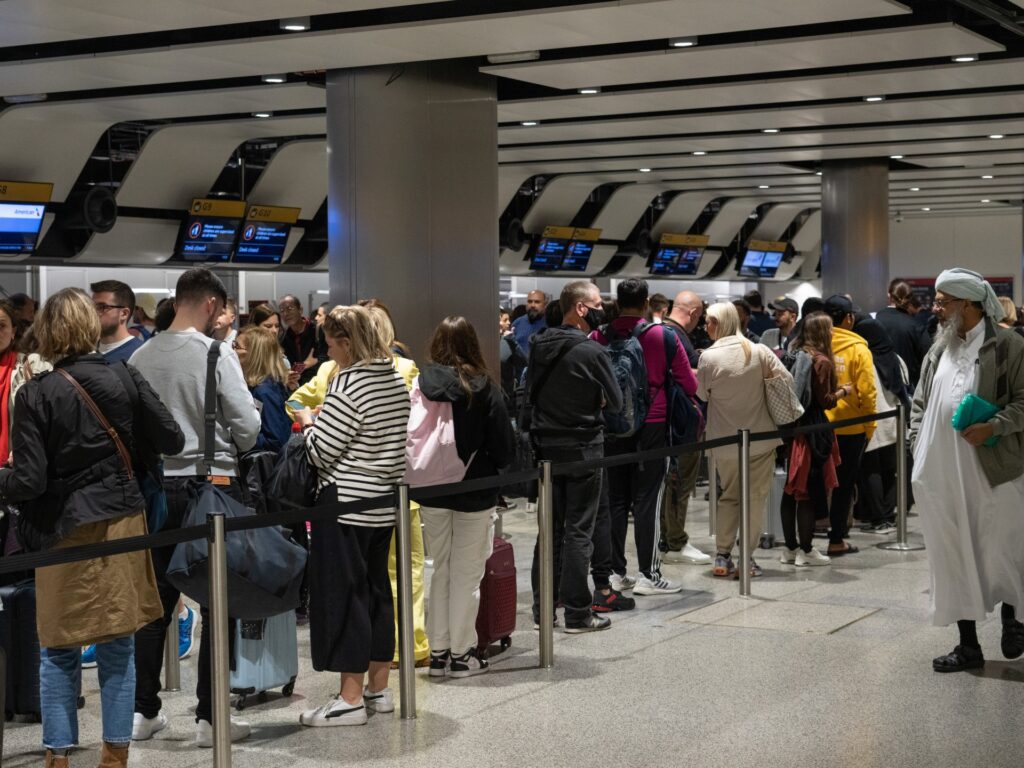
Passengers faced long wait times, missed connections, and uncertainty regarding flight statuses. Airlines had to reschedule numerous flights, reorganize crew schedules, and accommodate stranded passengers, which posed substantial logistical challenges.
Industry experts suggest that air traffic control systems are among the most complex and critical technological infrastructures, demanding robust fail-safes to minimize disruption risks. The fault has prompted questions about the readiness of current systems and the need for investment in resilient technology.
NATS has issued a formal apology to travelers and airline companies affected by the technical fault. The organization is conducting a thorough investigation to identify the root cause and implementing measures to prevent a recurrence of this nature.
The UK Civil Aviation Authority (CAA) is closely monitoring the situation and working with NATS to ensure that the recovery process progresses efficiently. They have reassured the public that safety remains the paramount concern in all ongoing operations.
Travelers are advised to check with their airlines for the latest flight information and to prepare for potential disruptions in the coming days as the system is restored to full functionality.
This incident serves as a reminder of the complexities involved in managing national airspace and the critical importance of maintaining technological reliability in air traffic control operations. Authorities are likely to review protocols and technology investments to strengthen the resilience of UK air traffic infrastructure.