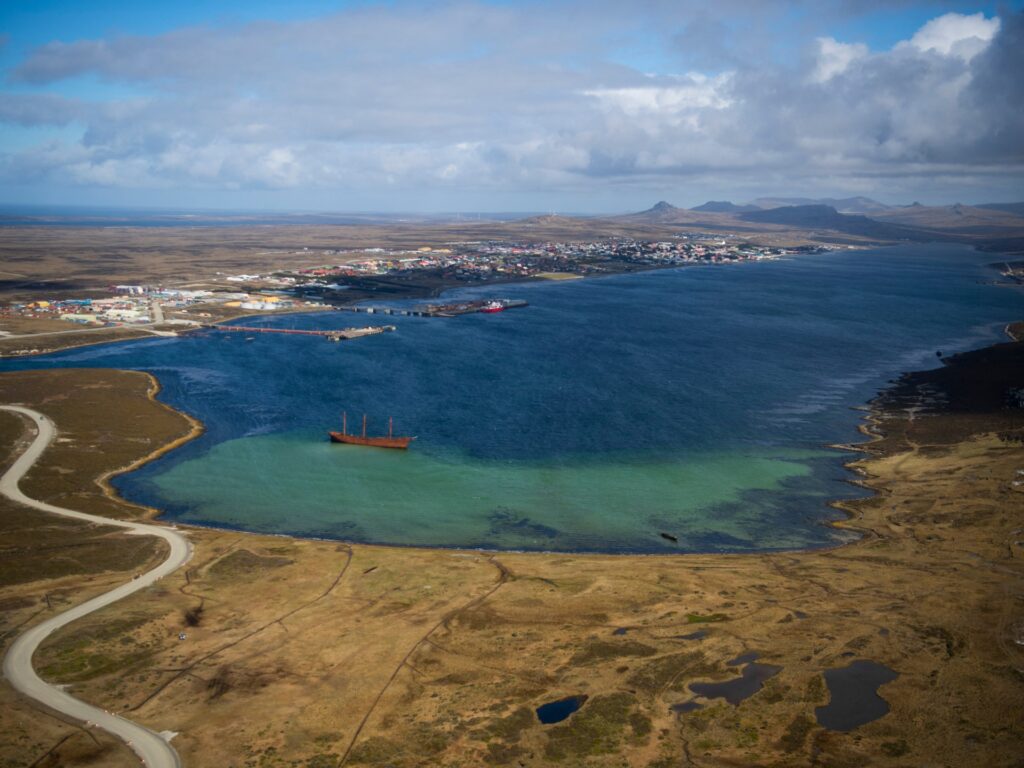
The Falkland Islands, a remote group of islands in the South Atlantic Ocean, have long been a source of contention between the United Kingdom and Argentina. The significance of these islands is deeply rooted in history, sovereignty claims, and economic interests, particularly pertaining to natural resources.
The United Kingdom has maintained control of the Falkland Islands since 1833, considering them a British Overseas Territory. For the UK, the islands represent not only a strategic military and geopolitical asset but also a symbol of national pride and commitment to self-determination for the islanders, who largely identify as British. The British government consistently emphasizes the principle that the inhabitants’ wishes are paramount in deciding the islands’ status.
On the other hand, Argentina claims sovereignty over the Falkland Islands—known in Spanish as the Malvinas—based on geographical proximity, historical assertions predating British control, and cultural ties. Argentina’s claim is so significant that it is enshrined in the country’s constitution, underscoring the issue’s national importance. This claim has been a source of diplomatic tension and erupted into armed conflict in 1982 during the Falklands War.
Beyond sentimental and historical reasons, economic interests have intensified the dispute. The waters surrounding the Falkland Islands are believed to be rich in oil reserves. This potential for oil exploration and production has raised the economic stakes substantially for both countries. The prospect of tapping into these natural resources offers significant financial benefits, adding a layer of complexity to the sovereignty debate.
Thus, the Falkland Islands matter greatly to both the UK and Argentina because they embody national identity, historical claims, and economic potential. The ongoing dispute reflects broader themes of colonial legacy, self-determination, and resource competition, making it a longstanding and sensitive international issue.