The Panama Canal authorities are contemplating additional restrictions on ship traffic as the El Niño weather phenomenon intensifies, potentially exacerbating the ongoing drought conditions in the country. This decision comes in response to decreasing water levels crucial for the canal’s operation, which relies heavily on rainfall to maintain the freshwater reservoirs necessary for transit.
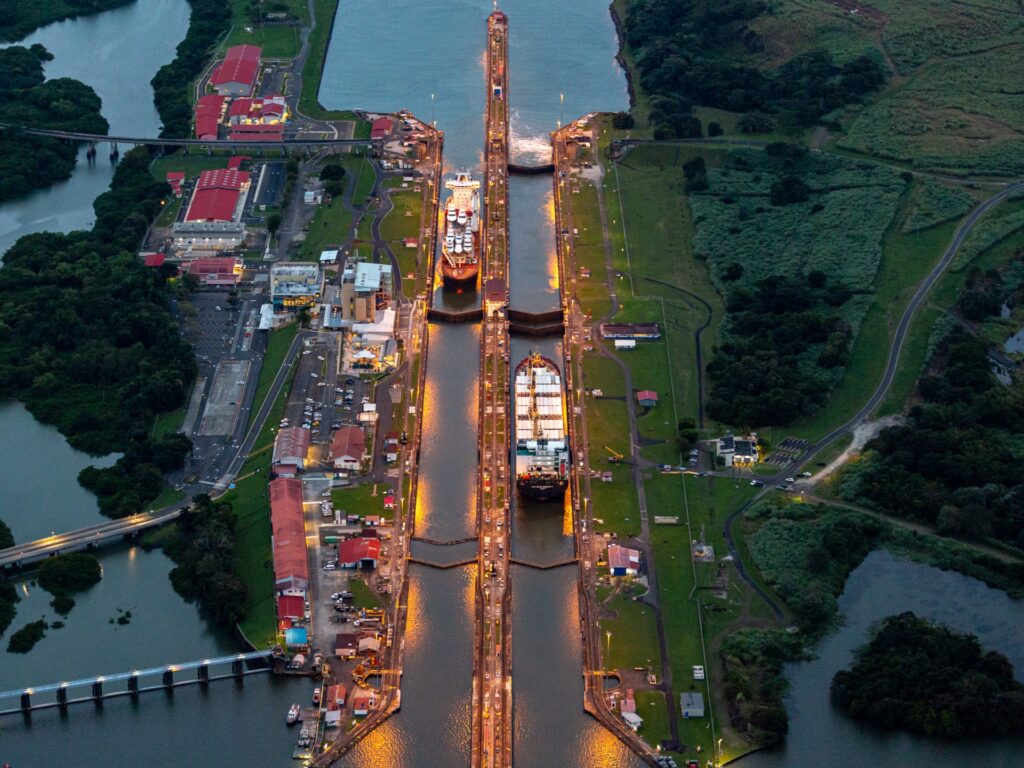
El Niño, characterized by warmer-than-average sea surface temperatures in the central and eastern Pacific Ocean, often triggers significant changes in weather patterns globally. In Panama, this tends to manifest as reduced rainfall, increasing the risk of severe droughts. The canal, a vital maritime route connecting the Atlantic and Pacific Oceans, requires a substantial amount of freshwater to operate its lock systems, which raise and lower vessels as they traverse the waterway.
Currently, the canal has been managing ship traffic to conserve water reserves, but worsening drought could force authorities to implement more severe measures. These could include limiting the number of vessels allowed to pass through each day, prioritizing certain types of cargo or vessel sizes, and potentially increasing transit fees to regulate demand.
Reducing ship traffic could have significant implications for global trade, as the Panama Canal is a key artery for international shipping, facilitating a large volume of commercial freight. Delays and restrictions might lead to increased shipping times and costs, impacting supply chains worldwide.
The canal authorities are closely monitoring weather forecasts and water levels, working in collaboration with meteorological experts and climate scientists to anticipate the drought’s severity. They are also exploring water management strategies and contingencies to mitigate the impact on canal operations.
The situation highlights the broader challenges posed by climate variability and change, stressing the importance of adaptive infrastructure management in critical global trade hubs. The Panama Canal’s response to El Niño-induced drought conditions will be a crucial case study for other regions vulnerable to similar climatic disruptions.
Stakeholders in the maritime and shipping industries are advised to stay informed about potential changes in canal operations and prepare for possible delays. This development underlines the interconnectedness of climate events and economic activities on a global scale.