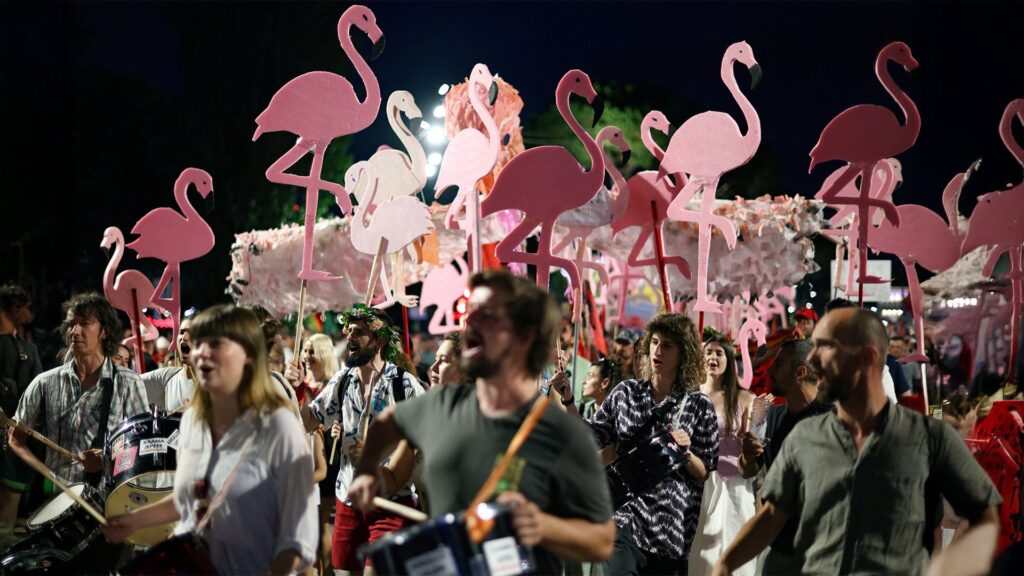
The Flamingo Revolution in Albania has reached a significant milestone, marking 100 days of continuous protests against a luxury resort project linked to Jared Kushner. The protests have drawn widespread attention both locally and internationally, as the controversy surrounding the development project intensifies.
The resort, envisioned as a high-end destination, has faced opposition due to concerns over environmental impact, displacement of local communities, and perceived lack of transparency in the approval process. Protesters argue that the project prioritizes foreign investment and elite interests over the welfare and rights of Albanian citizens.
Jared Kushner, a former senior adviser to the U.S. President and a prominent real estate investor, has been publicly associated with the development initiative. His involvement has added a high-profile dimension to the protests, raising questions about foreign influence and the role of international investors in Albania’s economic landscape.
Organizers of the Flamingo Revolution have maintained that their movement is grassroots and aimed at protecting national interests and the environment. Over the past 100 days, protests have included marches, sit-ins, and public demonstrations, drawing a diverse group of participants ranging from local residents to environmental activists and political figures.
The Albanian government has responded with a mix of dialogue attempts and security measures, though protesters report instances of police resistance and suppression of free assembly. This dynamic has fueled further debate over governance and civil rights in the country.
International human rights organizations have also expressed concern about the handling of the protests and have called for greater accountability and respect for democratic rights.
Economically, the resort project is touted by supporters as a boost to tourism and development, promising job creation and increased foreign investment. However, critics argue that the potential benefits do not outweigh the social and ecological costs.
As the Flamingo Revolution enters its fourth month, the situation remains unresolved, with both sides standing firm. The sustained protests have become a symbol of broader societal challenges in Albania, reflecting tensions between development ambitions and the preservation of community and environmental integrity.
The ongoing conflict highlights important questions about the future of development projects in Albania and the balance between economic growth and social justice. For now, the Flamingo Revolution continues to mobilize voices demanding transparency, fairness, and the protection of natural and human resources.