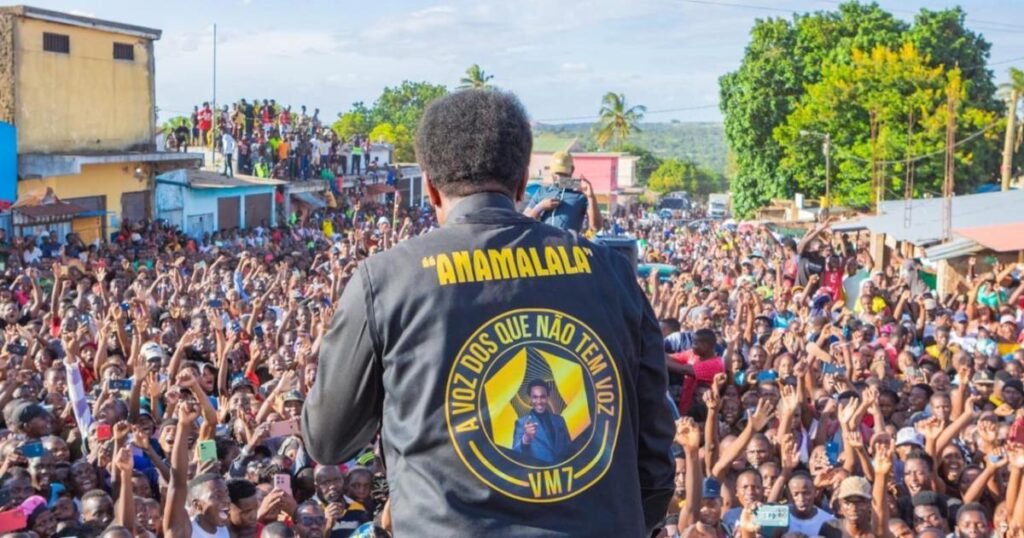
The trial of an opposition politician in Mozambique, following protests that erupted after the disputed 2024 election, marks a critical juncture for the country’s democratic future. Mondlane, who stands accused on five charges relating to the post-election demonstrations, symbolizes the intense political struggle Mozambique faces as it navigates electoral legitimacy and governance stability.
Mozambique, a country rich in natural resources and cultural diversity, has been confronting longstanding challenges related to political inclusivity and civil rights. The 2024 election, reportedly fraught with allegations of irregularities, sparked widespread unrest, led by opposition figures like Mondlane who claim the vote was neither free nor fair. His trial is seen by many as representative of the broader contest between the ruling party and opposition factions seeking to assert their political voice.
The prosecution’s charges against Mondlane include inciting violence and disrupting public order, reflecting the government’s attempt to control dissent following the electoral dispute. However, critics argue that the trial may be politically motivated, aiming to suppress opposition and intimidate supporters from engaging in future democratic processes. The outcome of this legal battle could set a precedent for how political conflicts are managed in Mozambique going forward.
International observers and human rights organizations have expressed concern over the implications of Mondlane’s trial. They emphasize the need for a transparent and fair judicial process to ensure justice prevails without undermining democratic freedoms. The case also highlights the delicate balance Mozambique must maintain between ensuring security and respecting the civil liberties of its citizens.
For the Mozambican society, the trial resonates deeply. It underscores issues of political representation, the rule of law, and the citizens’ right to protest. How Mondlane’s case is handled will likely influence political engagement, public trust in institutions, and Mozambique’s international reputation as a democratic state.
In conclusion, Mondlane’s trial is more than a legal proceeding; it embodies Mozambique’s struggle to define its democratic identity in the aftermath of a contested election. The trial’s progression and outcome will not only affect the political landscape but also the hopes of many Mozambicans for a just and inclusive political future.