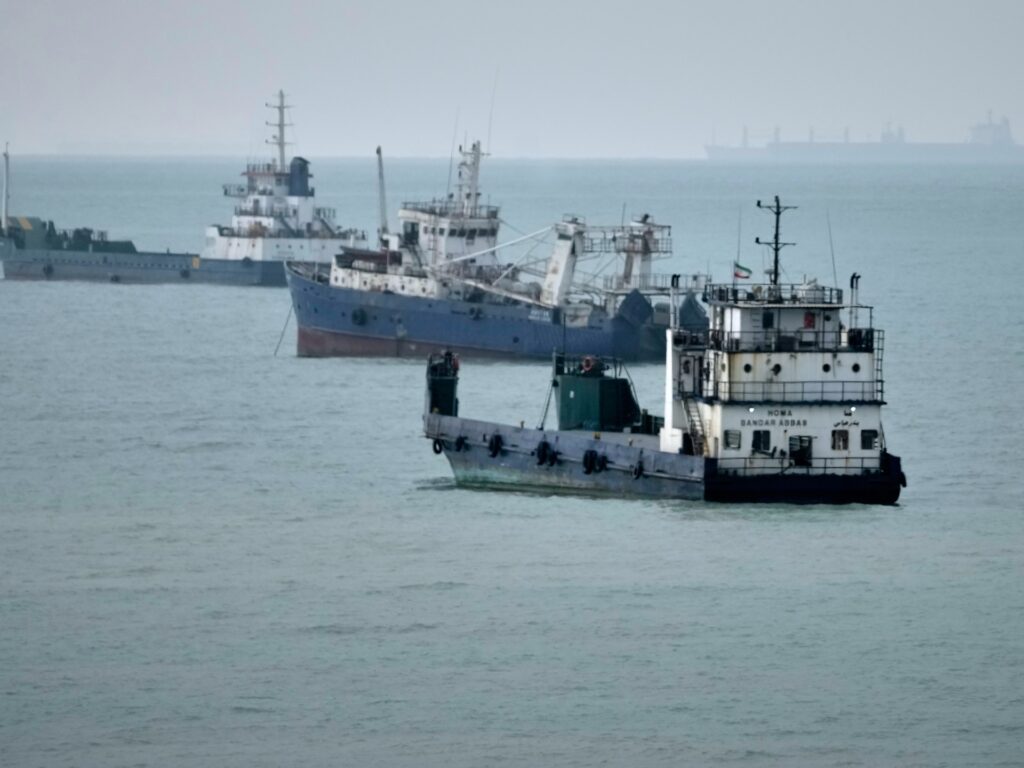
Tensions in the Middle East have sharply escalated following recent attacks on tankers in the strategic Strait of Hormuz, a crucial chokepoint for global oil shipments. Iran’s top negotiator has issued a stark warning that US oil-and-gas companies will be considered “legitimate” targets in response to the incidents, signaling a potentially dangerous expansion of the conflict.
The backdrop to these recent events is the long-standing geopolitical volatility in the region, where Iran’s influence and military capabilities have often been sources of concern for the West, particularly the United States. The Strait of Hormuz is vital because about a fifth of the world’s petroleum passes through its waters, making any disruption here significant on the global economic stage.
In a statement that has raised international alarm, Iran’s chief negotiator linked the attacks on the tankers directly with US involvement in the region, stating that the US energy firms operating in and around Middle Eastern oil infrastructure could face retaliatory actions. This move marks an escalation from conventional maritime confrontations to an explicit targeting of corporate entities.
The tanker attacks themselves have not been publicly claimed by any group, but Iran’s response indicates Tehran’s view that these attacks are part of a broader geopolitical struggle with the United States. The US government has condemned the attacks and urged for calm, emphasizing the importance of the free flow of commerce through the Strait.
International reactions have varied, with some countries calling for de-escalation and diplomatic dialogue to prevent further destabilization, while others have voiced support for the US stance against threats to energy security. The situation remains fluid, with the potential for the conflict to spill over beyond maritime boundaries.
Energy markets have already shown signs of volatility due to the heightened tensions, with oil prices experiencing fluctuations as traders react to the prospect of supply disruptions. Analysts warn that prolonged instability in the region could lead to significant increases in global energy costs and impact economies worldwide.
The development raises serious concerns about the safety of international shipping lanes and the broader security implications for global trade. Efforts to secure the Strait of Hormuz through increased naval presence or diplomatic interventions may be forthcoming as international actors seek to mitigate risks.
In conclusion, Iran’s declaration targeting US energy companies represents a significant intensification of regional hostilities and underscores the fragile nature of peace in the Middle East. The international community faces the challenge of addressing these threats while striving to maintain stability in one of the world’s most critical economic corridors.