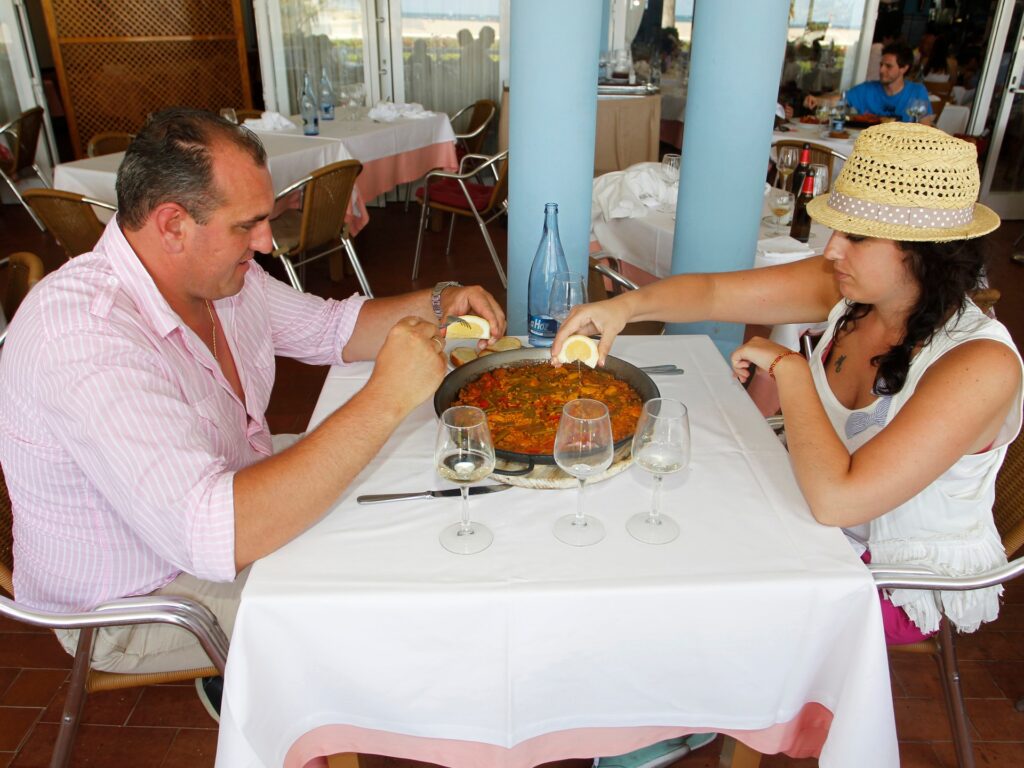
The escalating trade tensions between the United States and Iran under the Trump administration have cast a shadow over Spain’s beloved saffron-infused paella, raising concerns among chefs and exporters alike. At the heart of the issue lies the U.S. threat to penalize countries that continue trading with Iran, potentially disrupting the saffron supply chain that is crucial for authentic paella production.
Saffron, known as the world’s most expensive spice by weight, is a vital ingredient in paella, lending it its distinctive golden color and unique flavor. While Spain is a major producer of saffron, it also imports significant quantities to meet the high demand of local and international culinary markets. Iran, being one of the largest saffron producers globally, has traditionally supplied a substantial share of this precious spice, helping stabilize global prices and supply.
The Trump administration’s aggressive stance on Iran aims to cripple its economy by cutting off its trade relationships. However, the ripple effects extend beyond Iran’s borders, placing Spain’s paella industry in a precarious position. “If sanctions are enforced strictly, importers in Spain may struggle to source quality saffron at reasonable prices,” says culinary expert Maria Fernandez. “This could drive up costs for paella producers and threaten the authenticity of this iconic dish.”
Spanish exporters and restaurants depend heavily on saffron’s availability to maintain their competitive edge in the global food scene. Any disruption could lead to higher operational costs and possible shifts to less authentic spices. Experts warn that such substitutions may dilute the cultural heritage and diminish the gastronomic experience that paella represents.
Moreover, the potential scarcity of saffron might impact not only restaurants but also saffron farmers and distributors within Spain. A decrease in demand could lead to economic hardships for local producers who rely on steady market access to sustain their livelihoods.
The situation places Spain at the crossroads of geopolitical and culinary interests. While Spanish authorities navigate diplomatic tensions, chefs and exporters brace for possible shortages and price volatility. Discussions have surfaced around sourcing saffron from alternative countries, but quality and flavor nuances remain a concern.
Analysts note that the Iran-US trade war serves as a cautionary tale of how global politics can interfere with cultural culinary traditions. Spain’s saffron-infused paella is more than a dish; it is a symbol of national pride and heritage. Ensuring its continued authenticity amidst complex international trade disputes is a challenge that calls for sensitive diplomatic solutions and innovative supply chain management.
In conclusion, the ongoing trade tensions and threat of sanctions against Iran pose a tangible risk to Spain’s saffron supply, challenging the future of traditional paella recipes. Stakeholders across culinary and commercial sectors are watching closely, hoping for resolutions that preserve the rich flavors and cultural significance of this treasured Spanish delicacy.